Program Growth Strategy
How I Built and Executed a Multichannel Growth Strategy & Creator Framework
My Impact at a Glance (Zero Paid Ad Spend)
Operational Scale: Accelerated program deployment by +158% YoY, expanding our institutional catalog to 173 student, scholar, and family initiatives due to increased awareness and participation.
Information Architecture Optimization: Restructured core website navigation layout, transitioning from a buried menu layer to a highly visible, centralized Program Hub.
Experiential Growth Engine: Deployed experiential acquisition collateral at an inaugural 2,500+ attendee event, scaling the assets into an evergreen, high-performing UGC engine. This established a mutualistic growth loop where physical program participation fueled digital audience acquisition, which in turn maximized attendance for subsequent events.
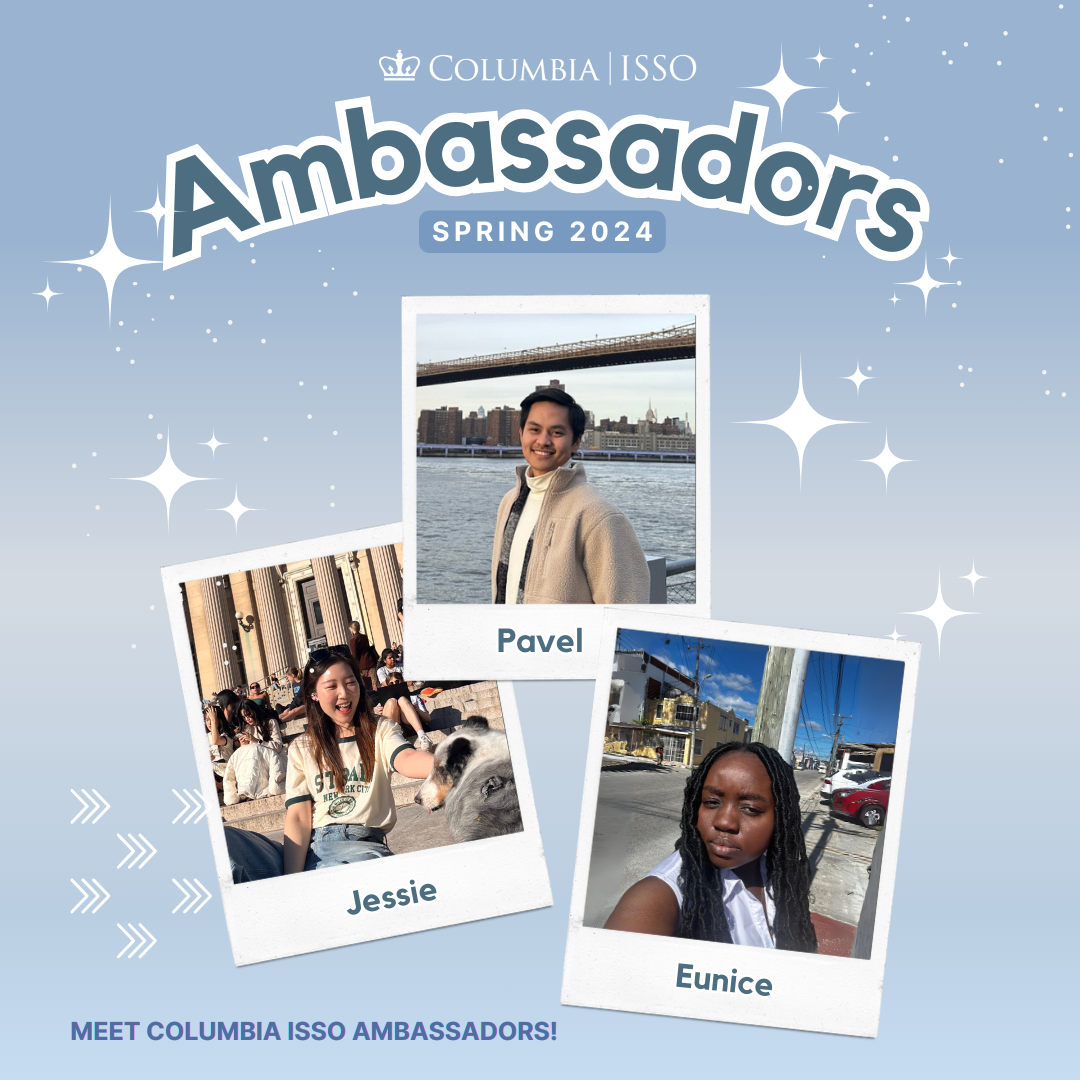
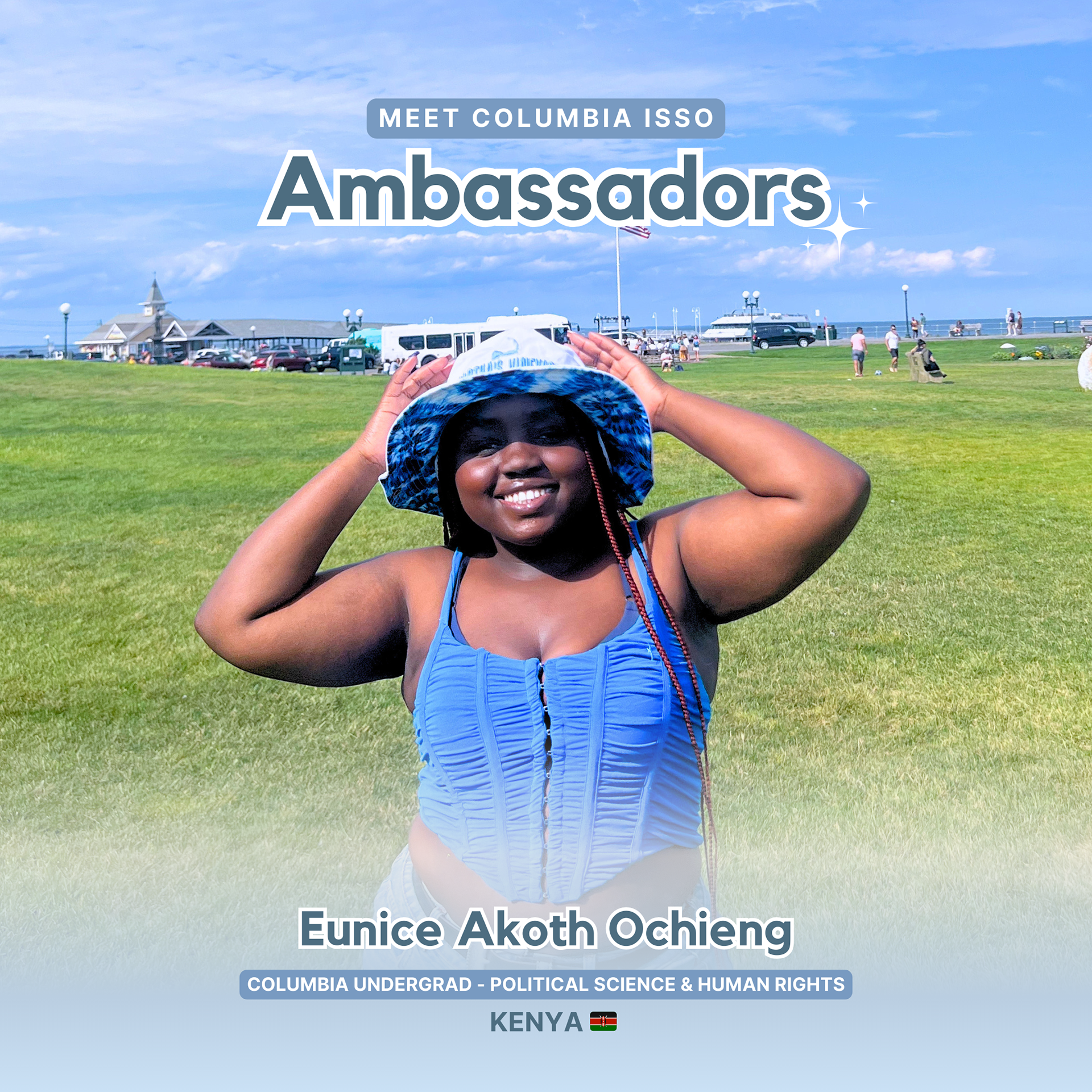
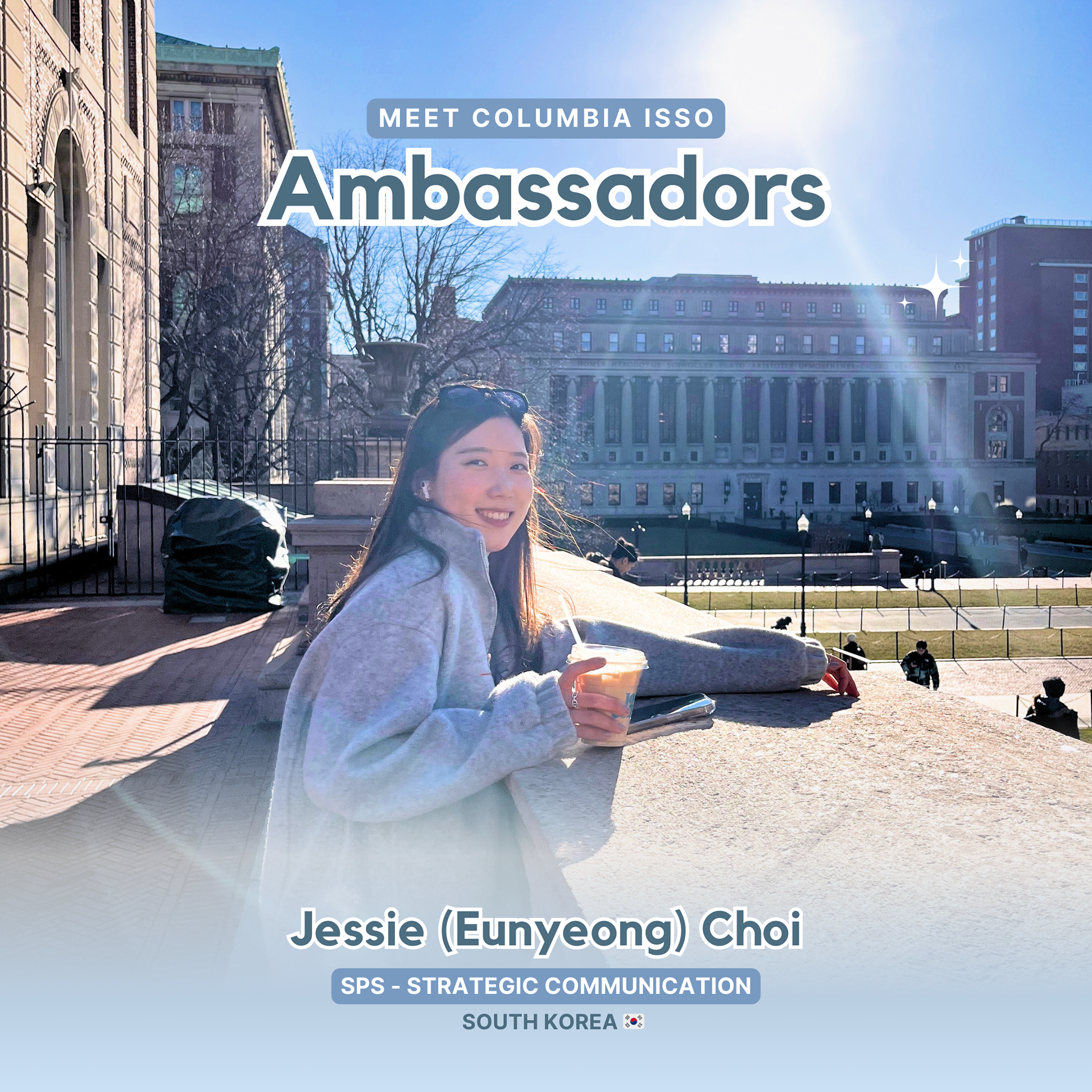
Influencer Initiative: Launched the "ISSO Ambassadors" volunteer cohort to leverage high-following student creators as an organic audience acquisition tool to amplify event awareness and attendance.
Information Architecture Optimization: Restructured core website navigation layout, transitioning from a buried menu layer to a highly visible, centralized Program Hub.
Experiential Growth Engine: Deployed experiential acquisition collateral at an inaugural 2,500+ attendee event, scaling the assets into an evergreen, high-performing UGC engine. This established a mutualistic growth loop where physical program participation fueled digital audience acquisition, which in turn maximized attendance for subsequent events.
Influencer Initiative: Launched the "ISSO Ambassadors" volunteer cohort to leverage high-following student creators as an organic audience acquisition tool to amplify event awareness and attendance.
1. The UX Audit & Information Architecture Pivot
When our organization introduced a new Programming & Events (P&E) branch, senior leadership originally proposed launching a completely separate, standalone website domain to house the initiative.
Recognizing the severe Search Engine Optimization (SEO) and User Experience (UX) risks, I conducted an in-depth data audit across adjacent institutional departments. My analysis revealed that isolating an unestablished sub-brand on a net-new domain would cut it off from our primary domain’s high-authority traffic, create immediate navigation friction for users, and dilute our overall brand authority.
I countered the proposal with a comprehensive Information Architecture (IA) redesign of our existing high-traffic digital environment:
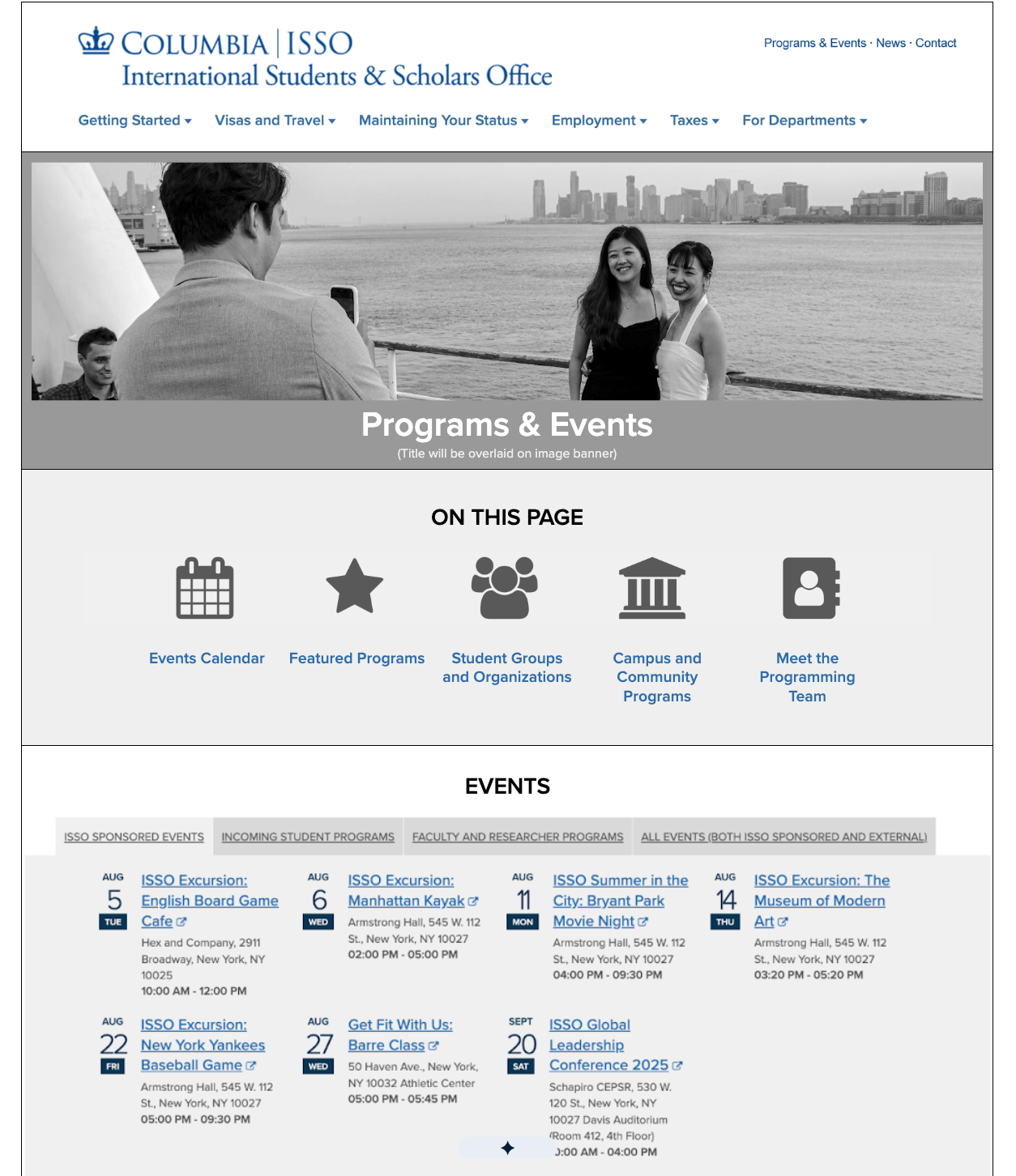
Navigation Optimization: I extracted the buried programming assets from dead-end menu sub-tabs ("Getting Started" and "News & Events") where they previously got lost.
High-Visibility UI Positioning: I re-architected the layout to place a permanent, dedicated "Programs & Events" anchor directly in the top-right global utility navigation, separating it completely from transient news updates.
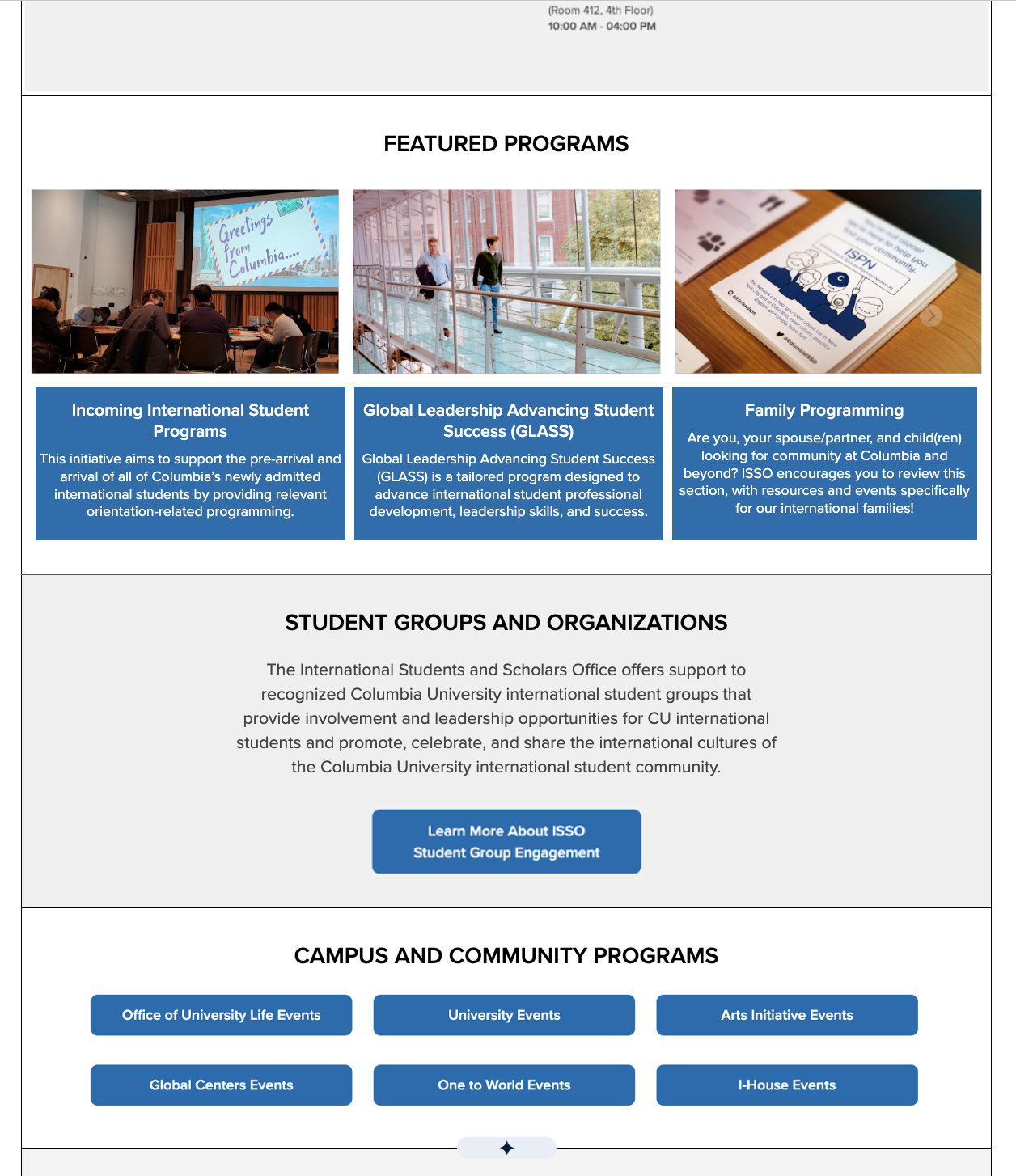
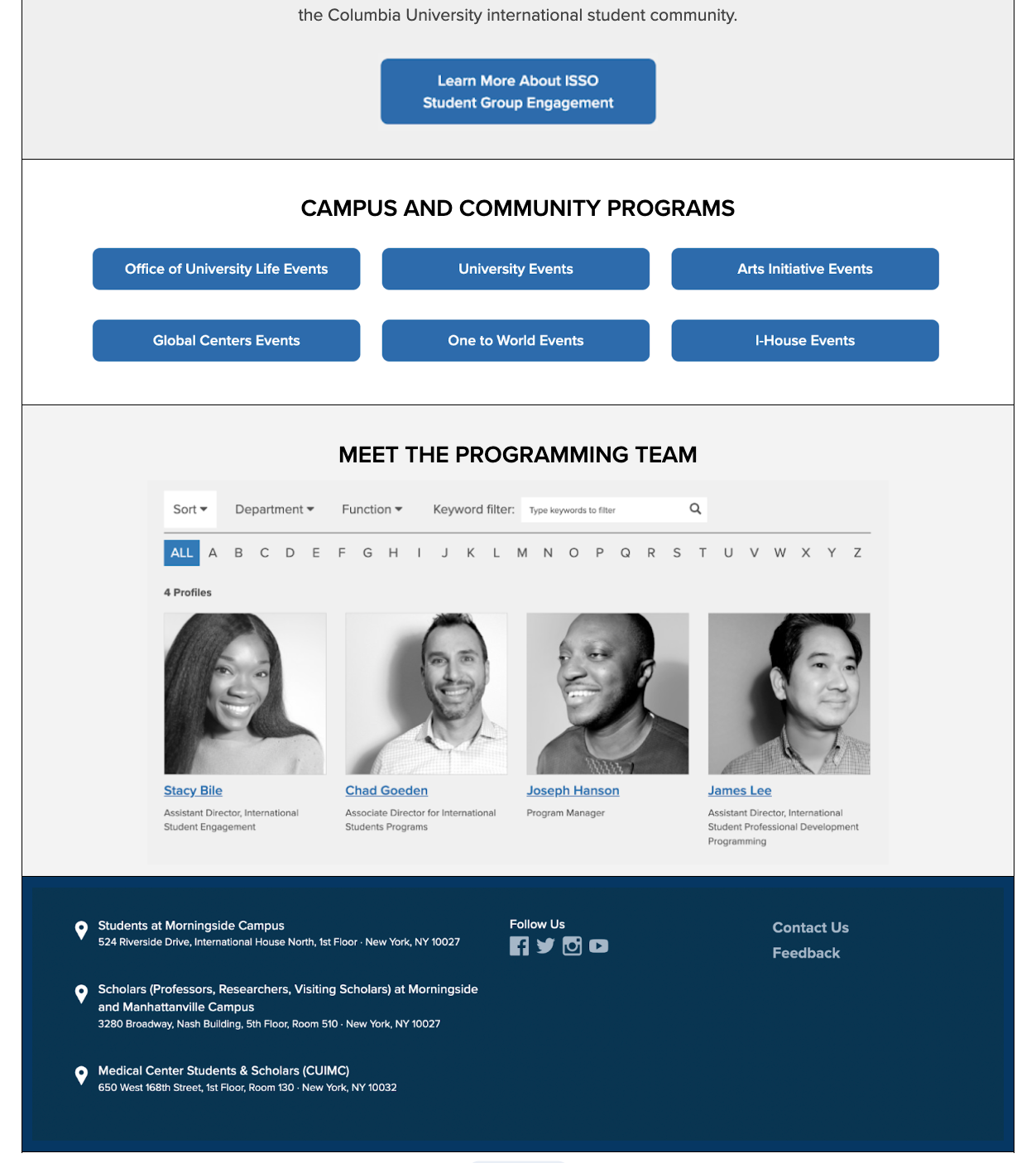
The Program & Events Hub: I converted what was a static, flat webpage into a multi-tiered, intuitive user portal featuring integrated event calendars segmented by target audience personas, including current students, incoming cohorts, and family networks.
Recognizing the severe Search Engine Optimization (SEO) and User Experience (UX) risks, I conducted an in-depth data audit across adjacent institutional departments. My analysis revealed that isolating an unestablished sub-brand on a net-new domain would cut it off from our primary domain’s high-authority traffic, create immediate navigation friction for users, and dilute our overall brand authority.
I countered the proposal with a comprehensive Information Architecture (IA) redesign of our existing high-traffic digital environment:
Navigation Optimization: I extracted the buried programming assets from dead-end menu sub-tabs ("Getting Started" and "News & Events") where they previously got lost.
High-Visibility UI Positioning: I re-architected the layout to place a permanent, dedicated "Programs & Events" anchor directly in the top-right global utility navigation, separating it completely from transient news updates.
The Program & Events Hub: I converted what was a static, flat webpage into a multi-tiered, intuitive user portal featuring integrated event calendars segmented by target audience personas, including current students, incoming cohorts, and family networks.
Mockup of Program & Events Hub
2. Omnichannel Execution: Physical-to-Digital Growth Loops
Pillar A: Experiential Branding & In-House Content Funnels (Selfie Frames)
Tasked with a tight 4-day turnaround for our inaugural New International Student Welcome Gathering (2,500+ attendees), I designed an experiential program activation from scratch. Pivoting from my traditional background in digital web layouts into large-scale print prop design with zero prior blueprint, I navigated the ambiguity of physical production formatting under strict pressure to deliver high-impact launch assets.
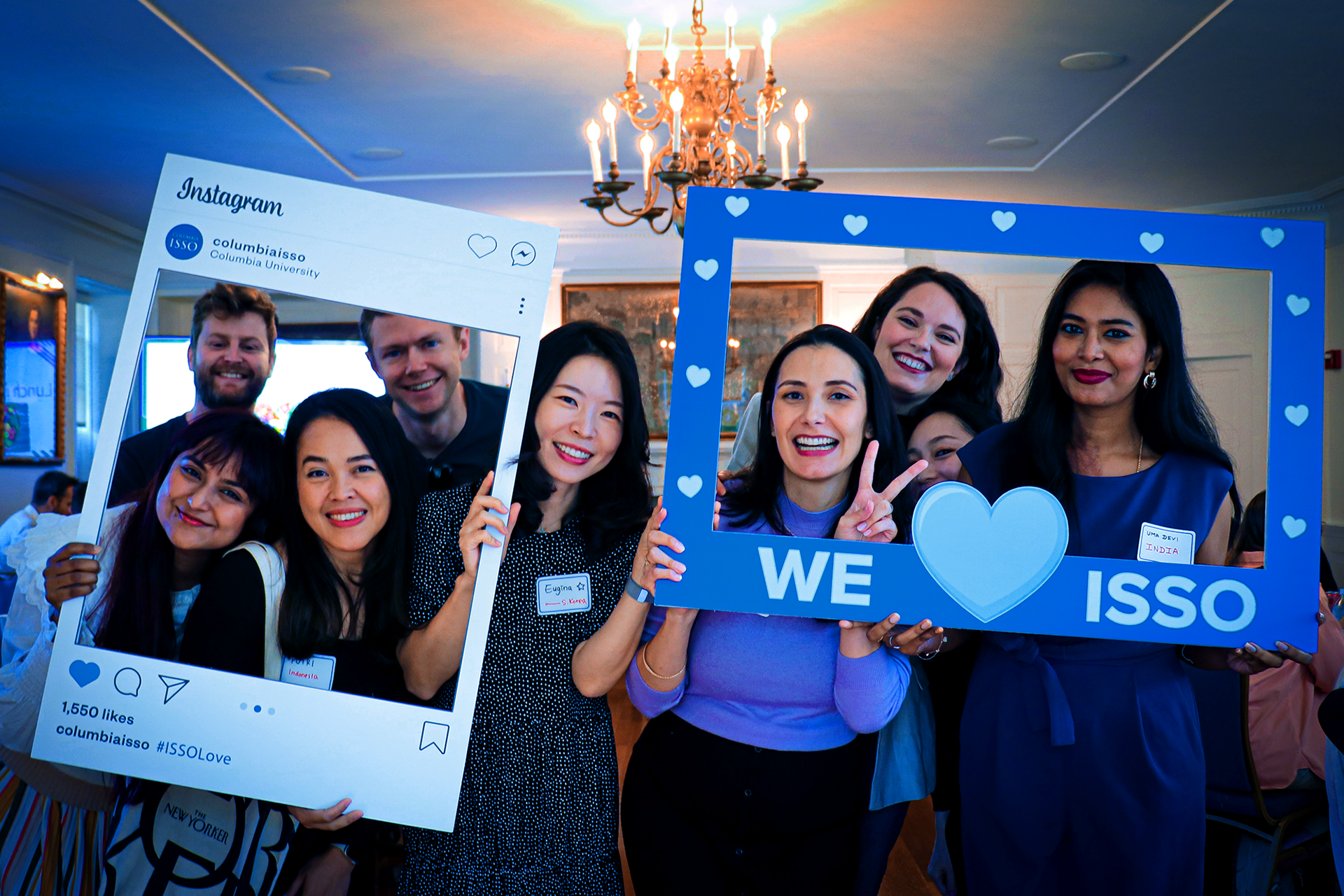
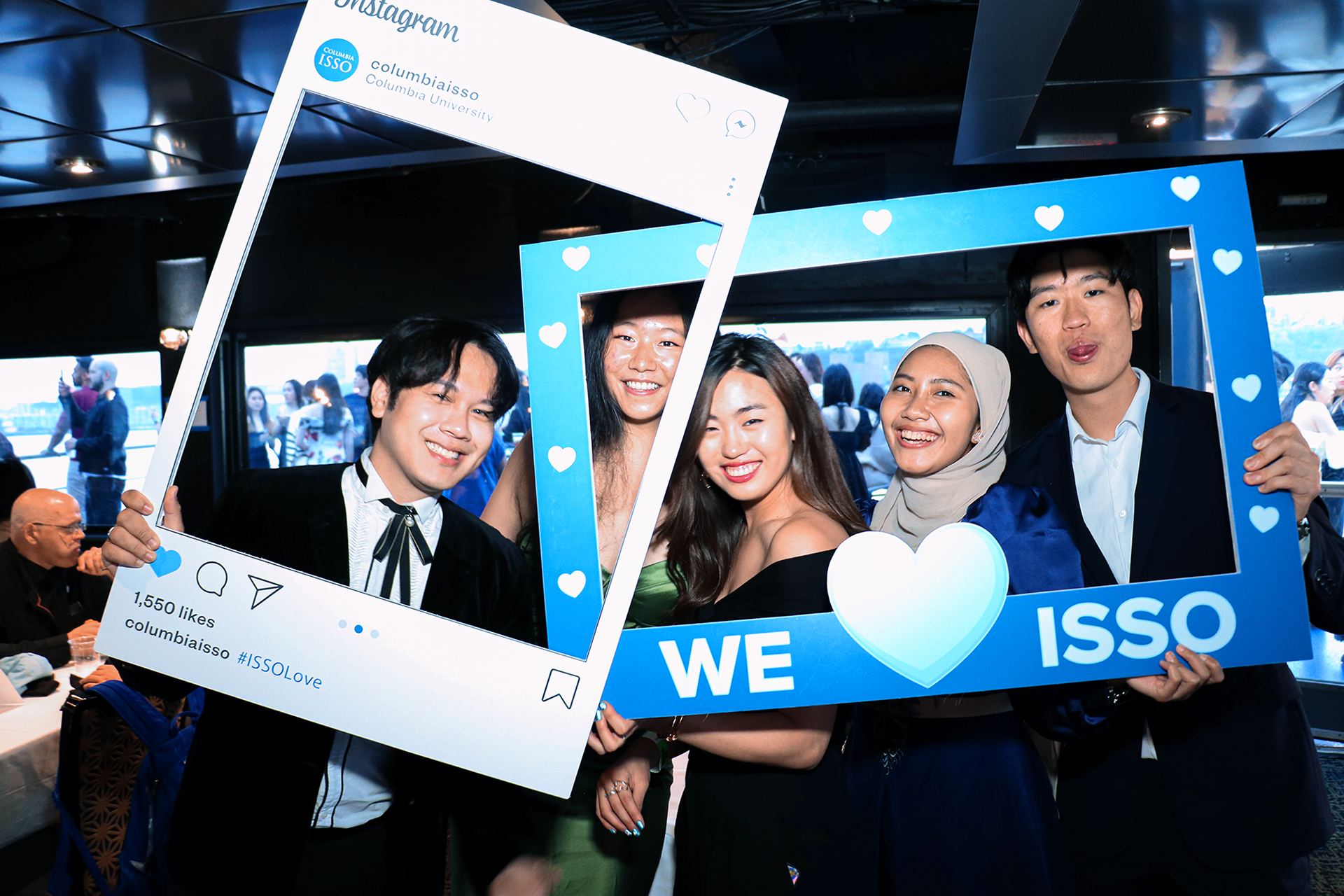
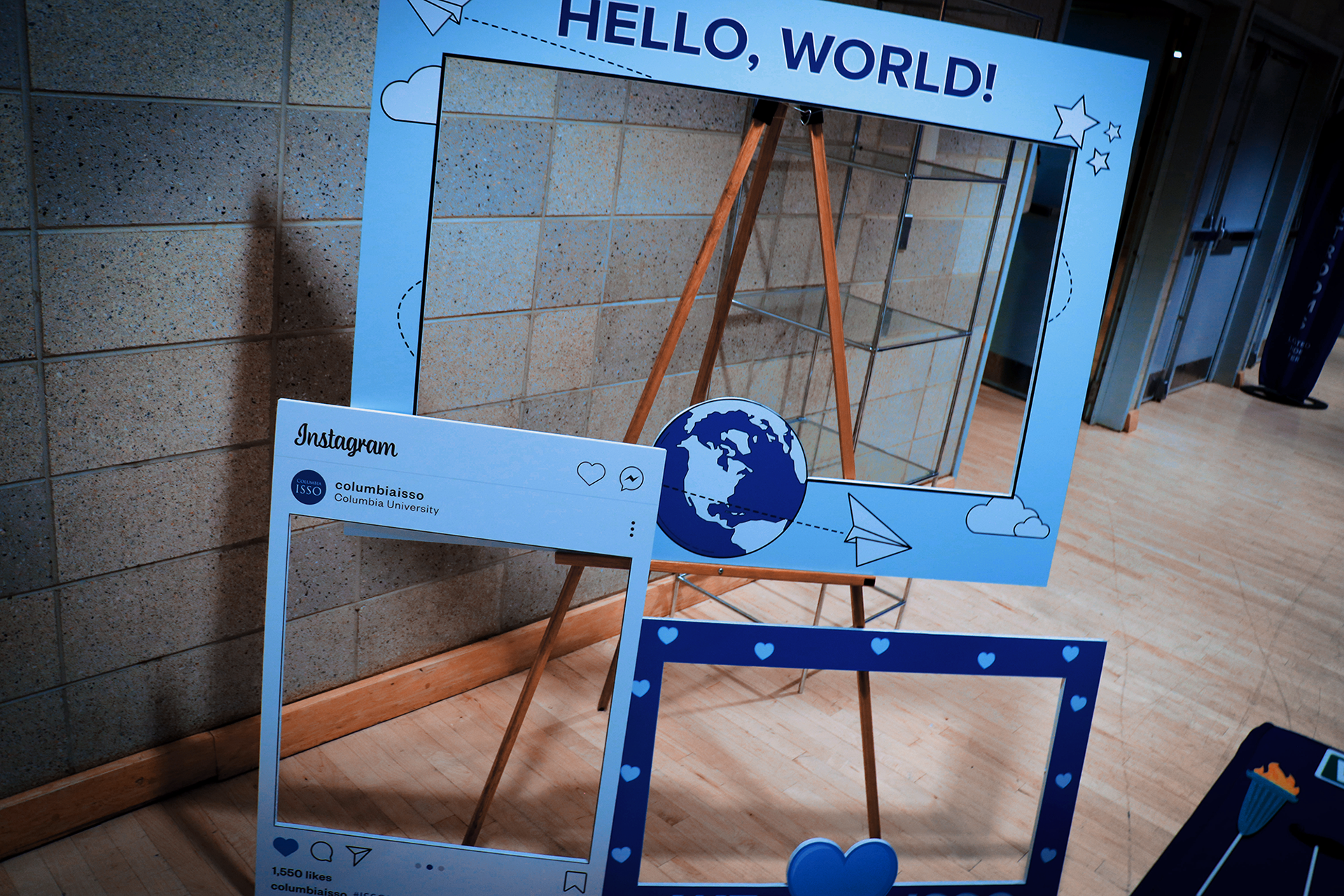
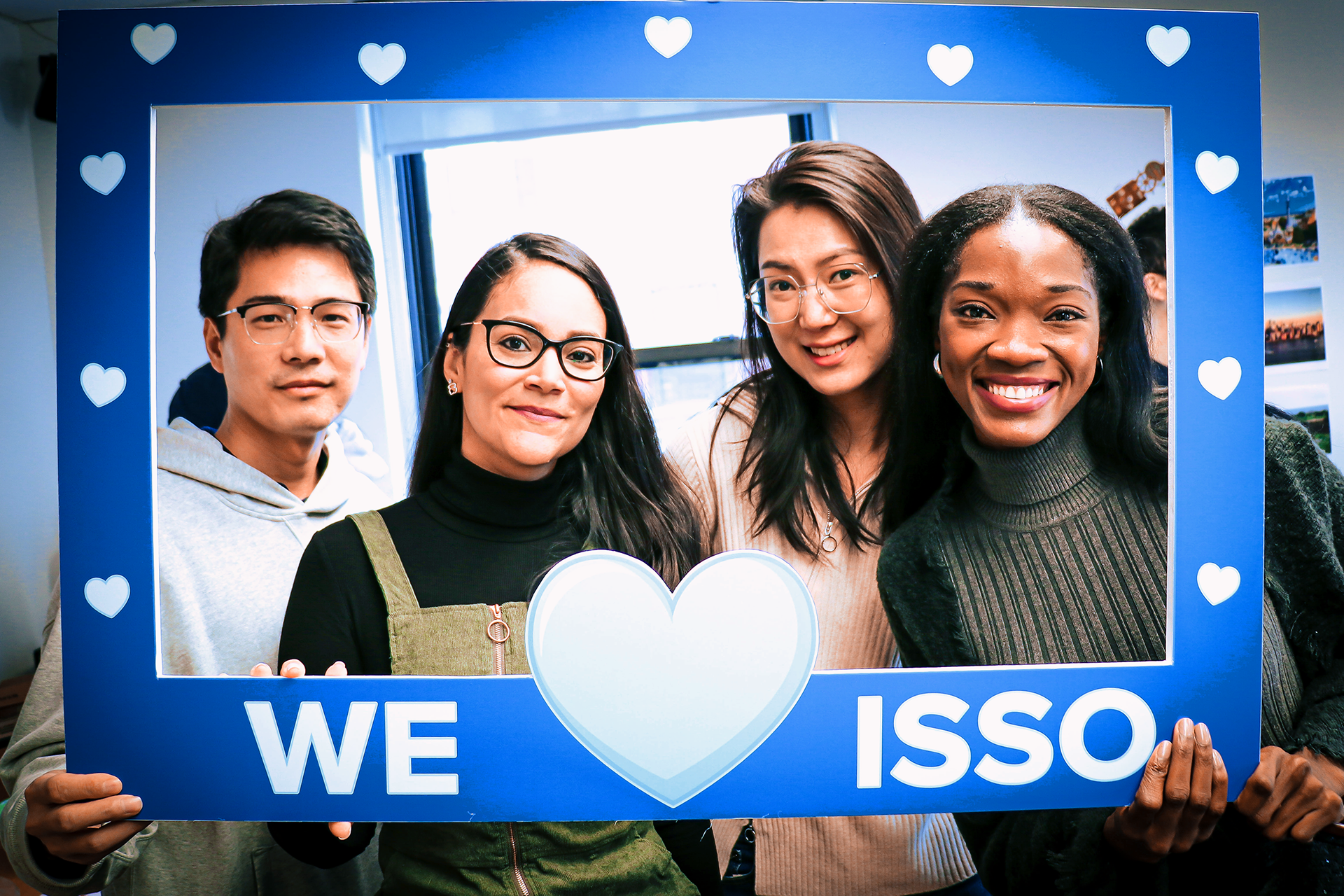
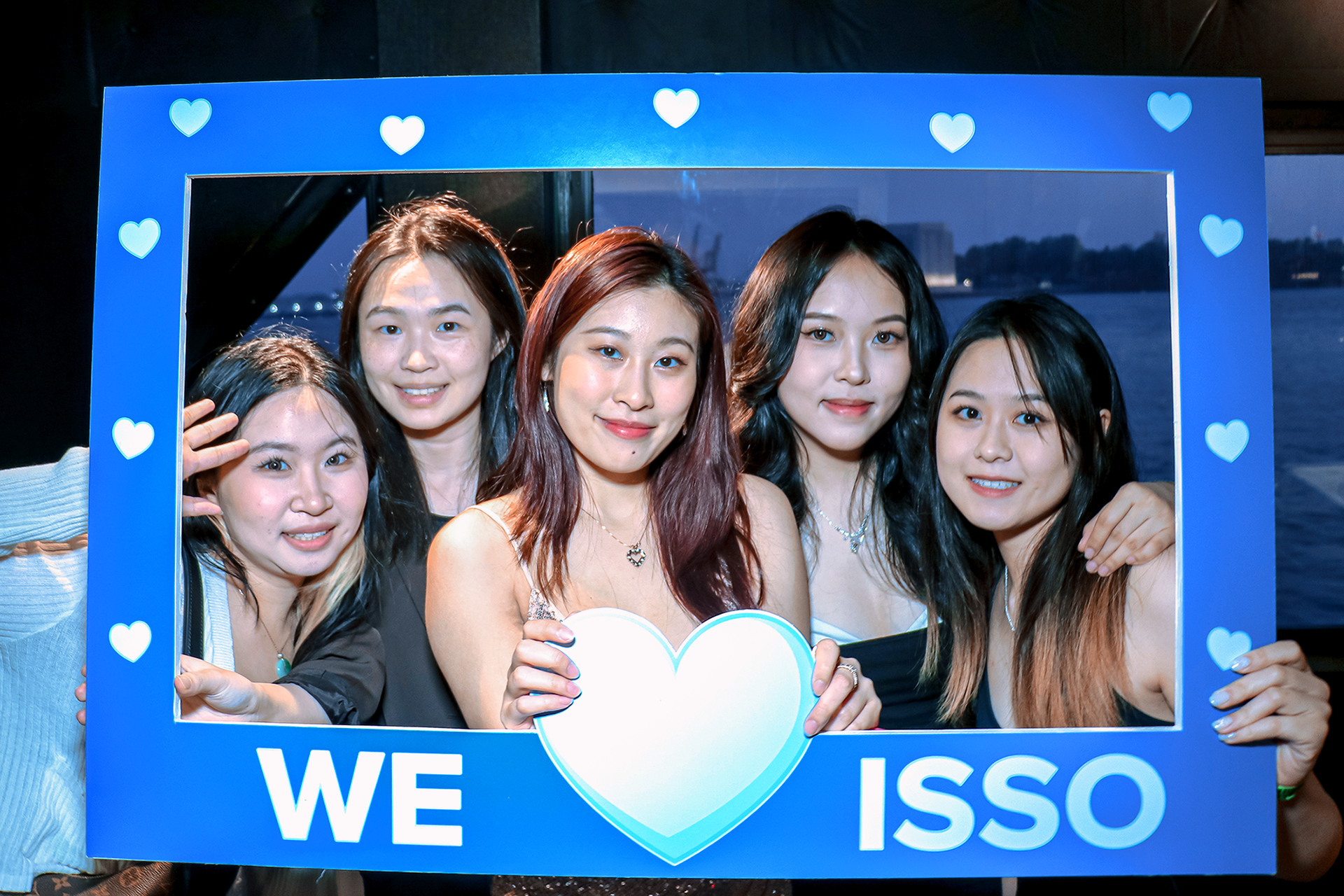
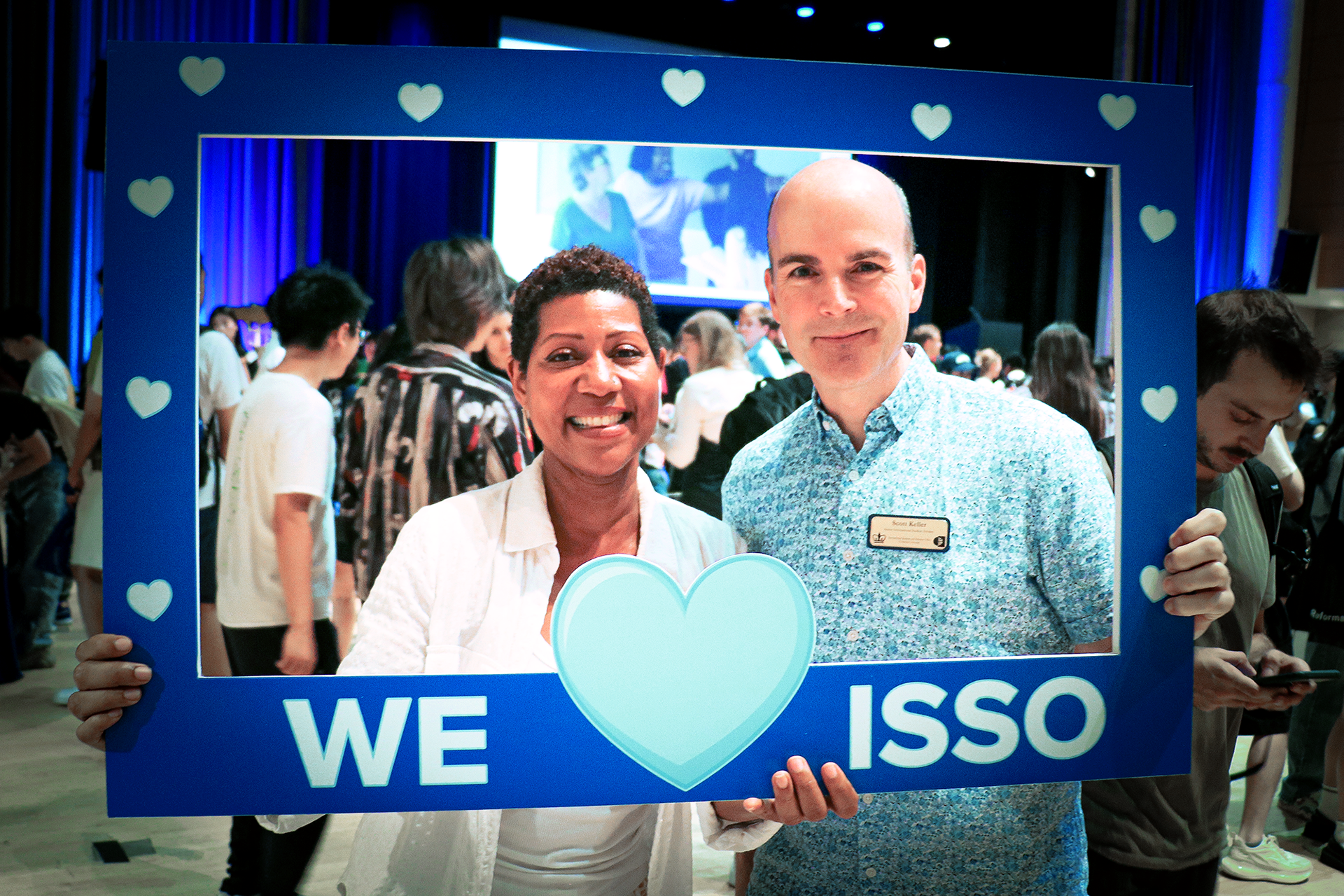
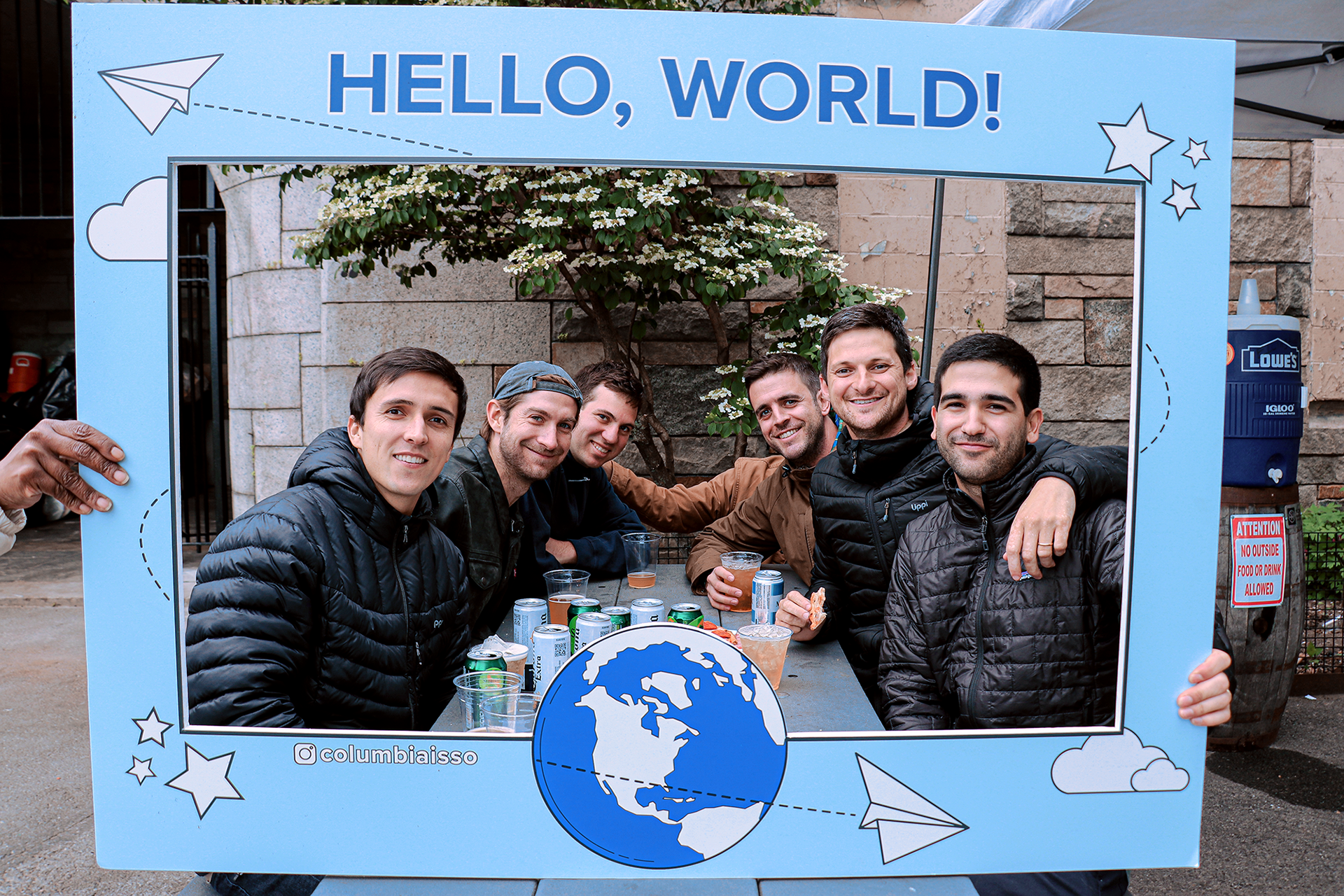
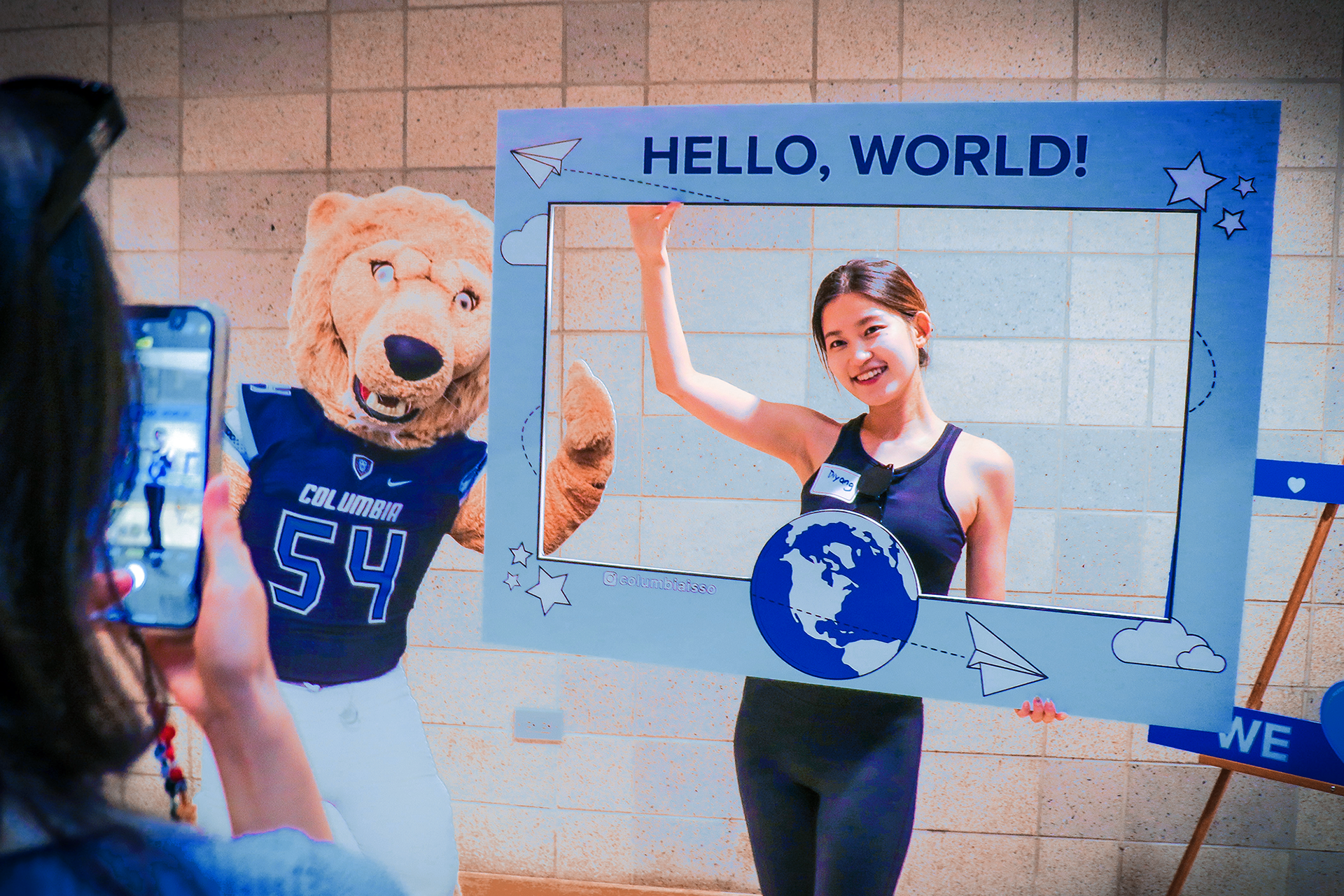
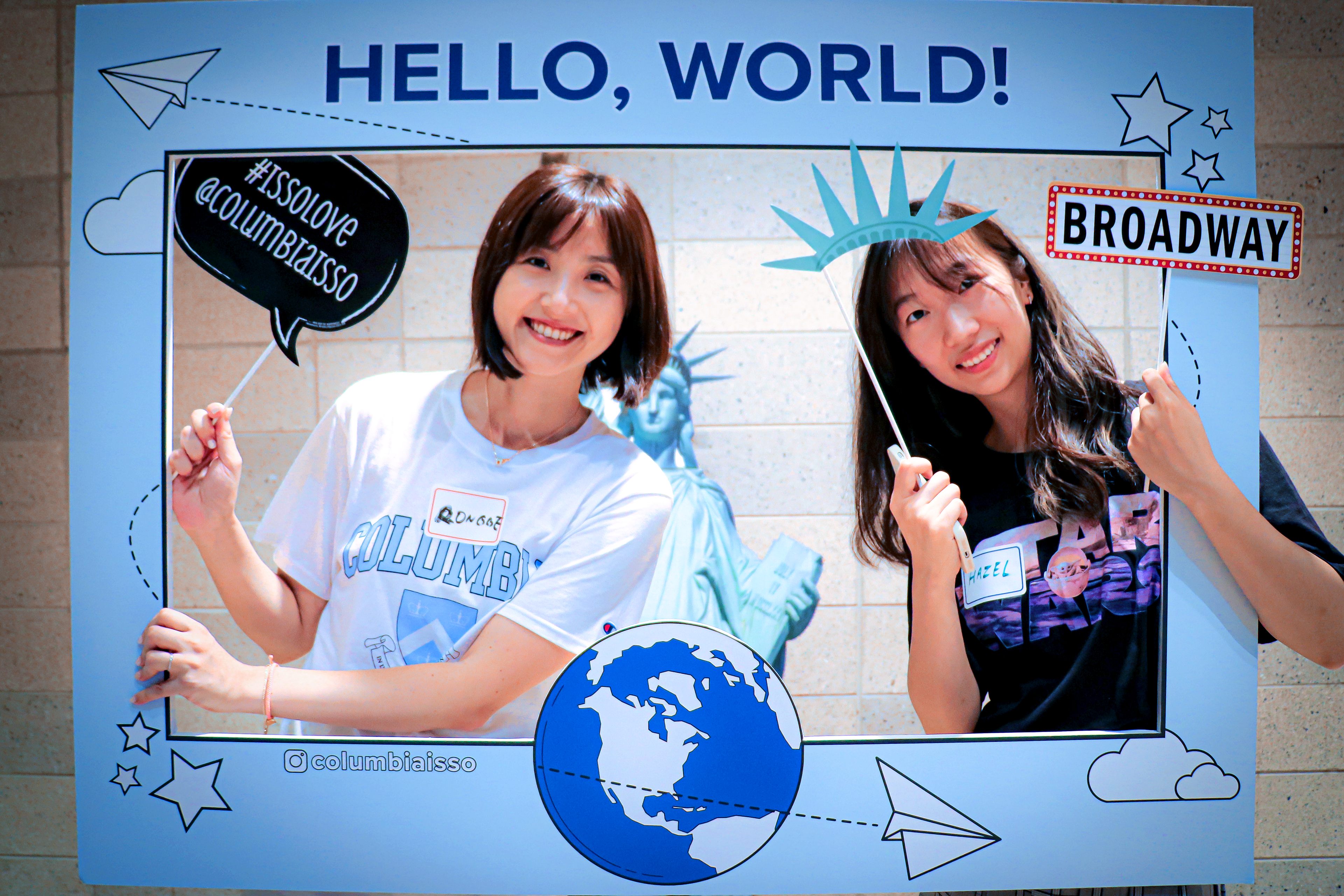
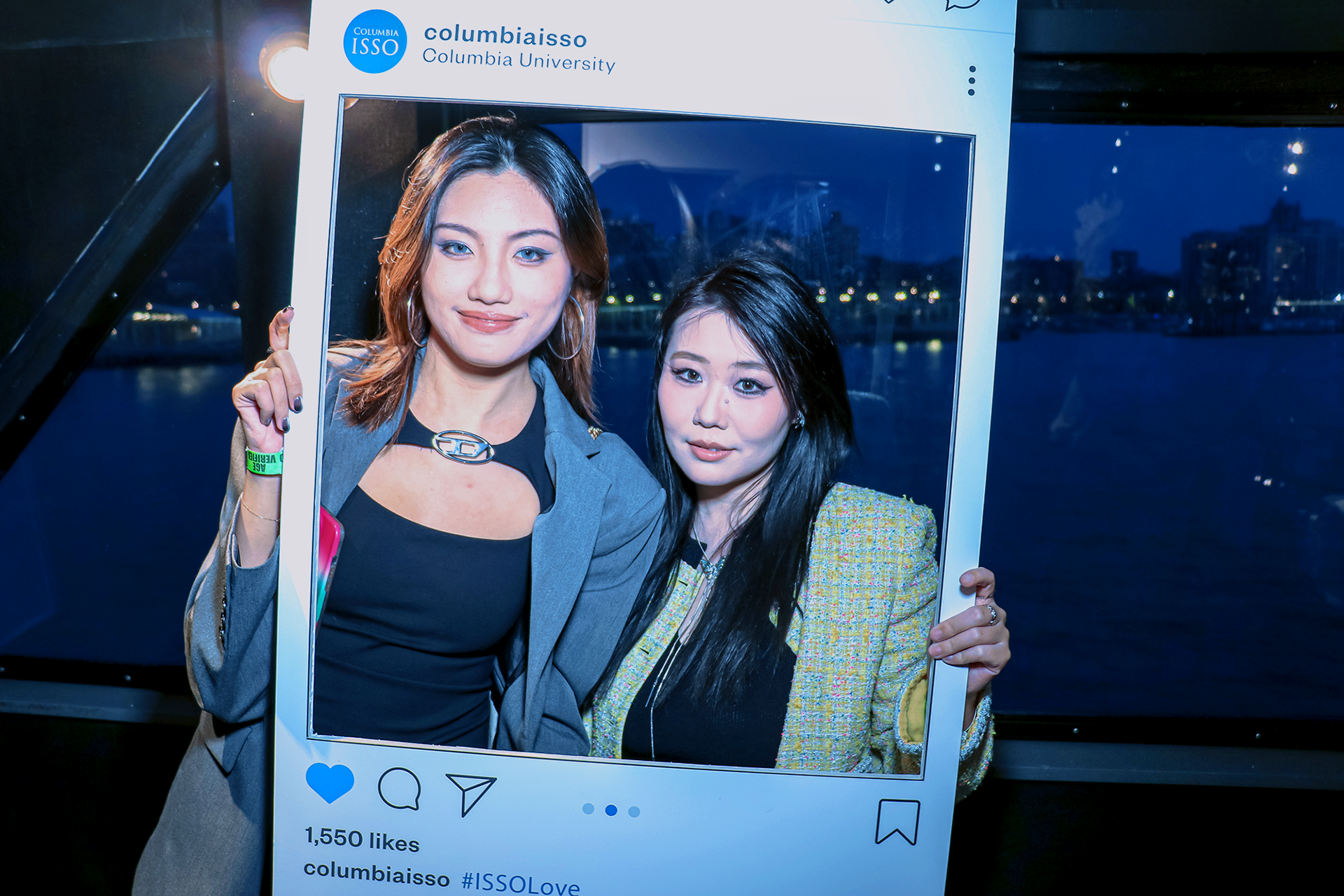
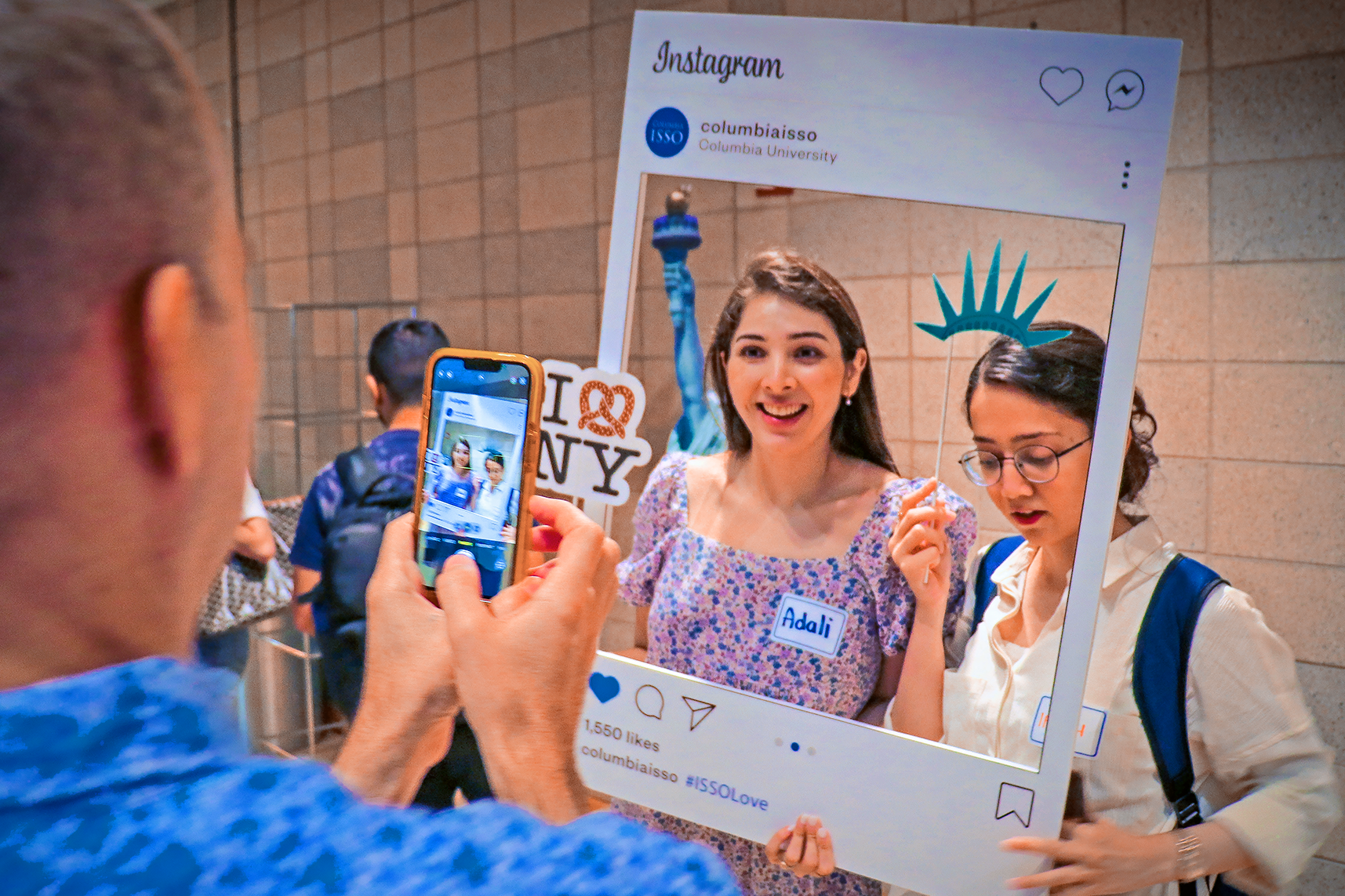
The Reusable Assets: I designed three large-scale, brand-aligned print selfie frames featuring our Instagram handle to anchor onsite promotion. I structurally optimized these assets to be completely evergreen, allowing us to frictionlessly repurpose them across virtually all local event programming both throughout the year and the years beyond.
The In-Person Audience Funnel: I utilized these frames to anchor a high-touch, in-person growth strategy directly inside our event spaces. During the Welcome Gathering, I noticed students were posting photos with the frames on their stories and tagging us (unprompted). Seeing this as an opportunity, we asked our followers to DM us the photos they took with these frames for a chance to be featured on our Feed (another UGC opportunity). Beyond the Welcome Gathering, I instructed staff to explicitly encourage attendees seen capturing photos with the frames to either tag us in their stories or DM us their photos for a feature. We also captured photos of the attendees ourselves, telling them face-to-face that they would be featured on our main feed, thus directly incentivizing them to follow our page to see their spotlights and turning physical event foot traffic into a digital acquisition loop.
The Mutualistic Growth Loop: Using these frames as live props allowed us to build a continuous pipeline of human-centered event recap content. Because community-focused social features naturally drive significantly higher engagement than text flyers (on average), these recaps directly generated heightened interest and attendance for subsequent programming. This established a highly effective mutualistic relationship: this program awareness strategy fed our social media growth engine with authentic user imagery, while our growing social channels consistently maximized physical event attendance across the board due to our page's large following of potential attendees
Tasked with a tight 4-day turnaround for our inaugural New International Student Welcome Gathering (2,500+ attendees), I designed an experiential program activation from scratch. Pivoting from my traditional background in digital web layouts into large-scale print prop design with zero prior blueprint, I navigated the ambiguity of physical production formatting under strict pressure to deliver high-impact launch assets.
The Reusable Assets: I designed three large-scale, brand-aligned print selfie frames featuring our Instagram handle to anchor onsite promotion. I structurally optimized these assets to be completely evergreen, allowing us to frictionlessly repurpose them across virtually all local event programming both throughout the year and the years beyond.
The In-Person Audience Funnel: I utilized these frames to anchor a high-touch, in-person growth strategy directly inside our event spaces. During the Welcome Gathering, I noticed students were posting photos with the frames on their stories and tagging us (unprompted). Seeing this as an opportunity, we asked our followers to DM us the photos they took with these frames for a chance to be featured on our Feed (another UGC opportunity). Beyond the Welcome Gathering, I instructed staff to explicitly encourage attendees seen capturing photos with the frames to either tag us in their stories or DM us their photos for a feature. We also captured photos of the attendees ourselves, telling them face-to-face that they would be featured on our main feed, thus directly incentivizing them to follow our page to see their spotlights and turning physical event foot traffic into a digital acquisition loop.
The Mutualistic Growth Loop: Using these frames as live props allowed us to build a continuous pipeline of human-centered event recap content. Because community-focused social features naturally drive significantly higher engagement than text flyers (on average), these recaps directly generated heightened interest and attendance for subsequent programming. This established a highly effective mutualistic relationship: this program awareness strategy fed our social media growth engine with authentic user imagery, while our growing social channels consistently maximized physical event attendance across the board due to our page's large following of potential attendees




Pillar B: Hybrid Content Strategy & Face-Forward Event Campaigns
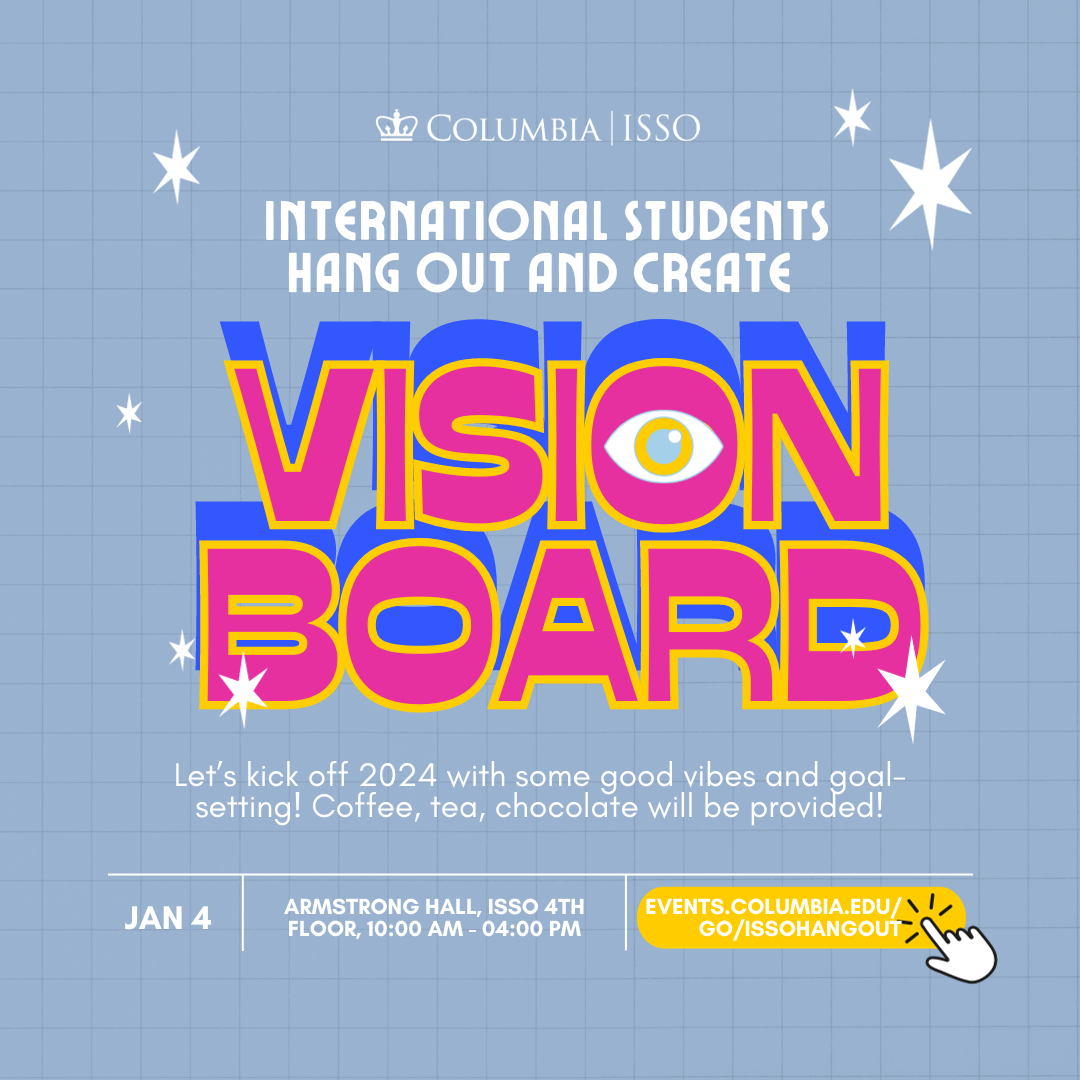
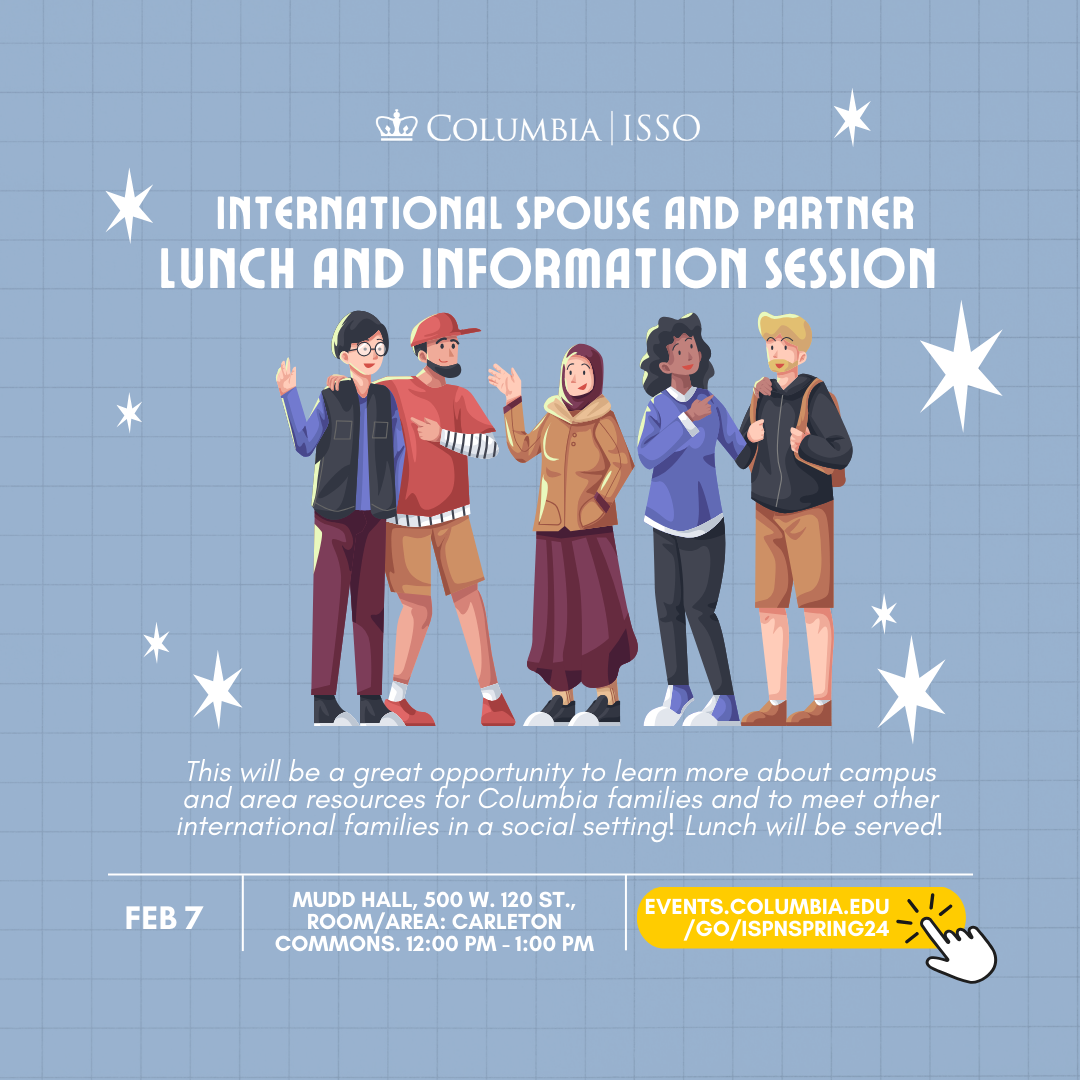
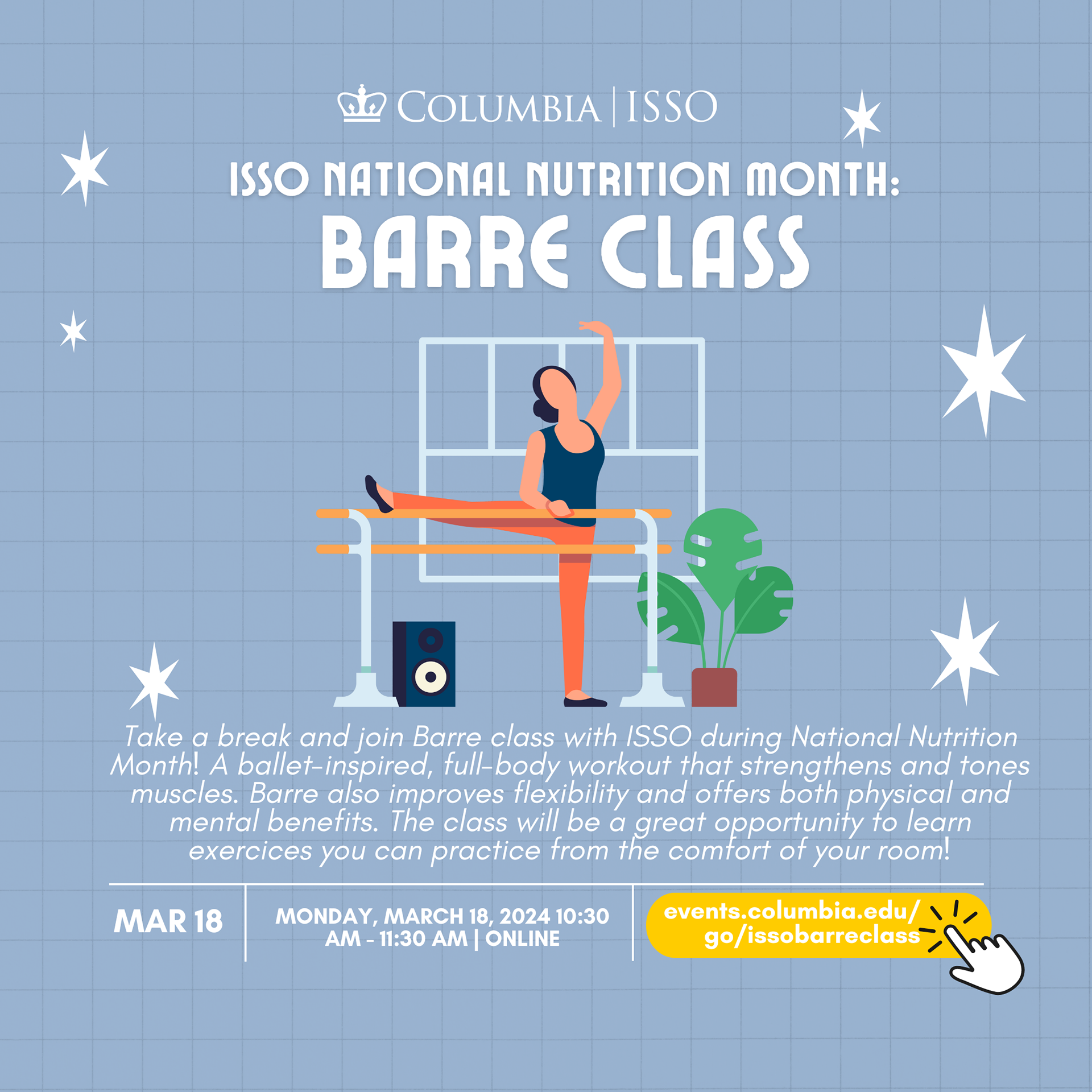
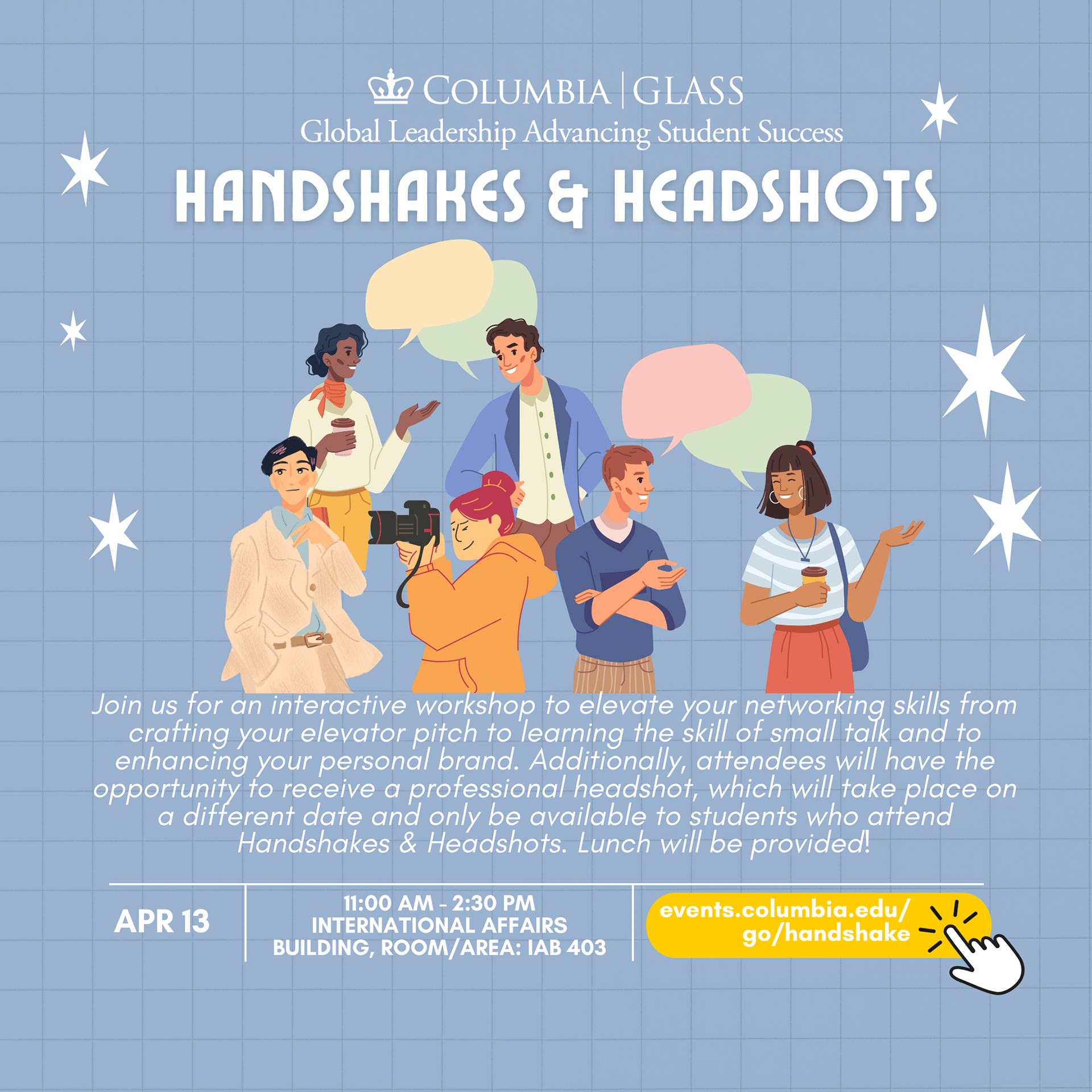
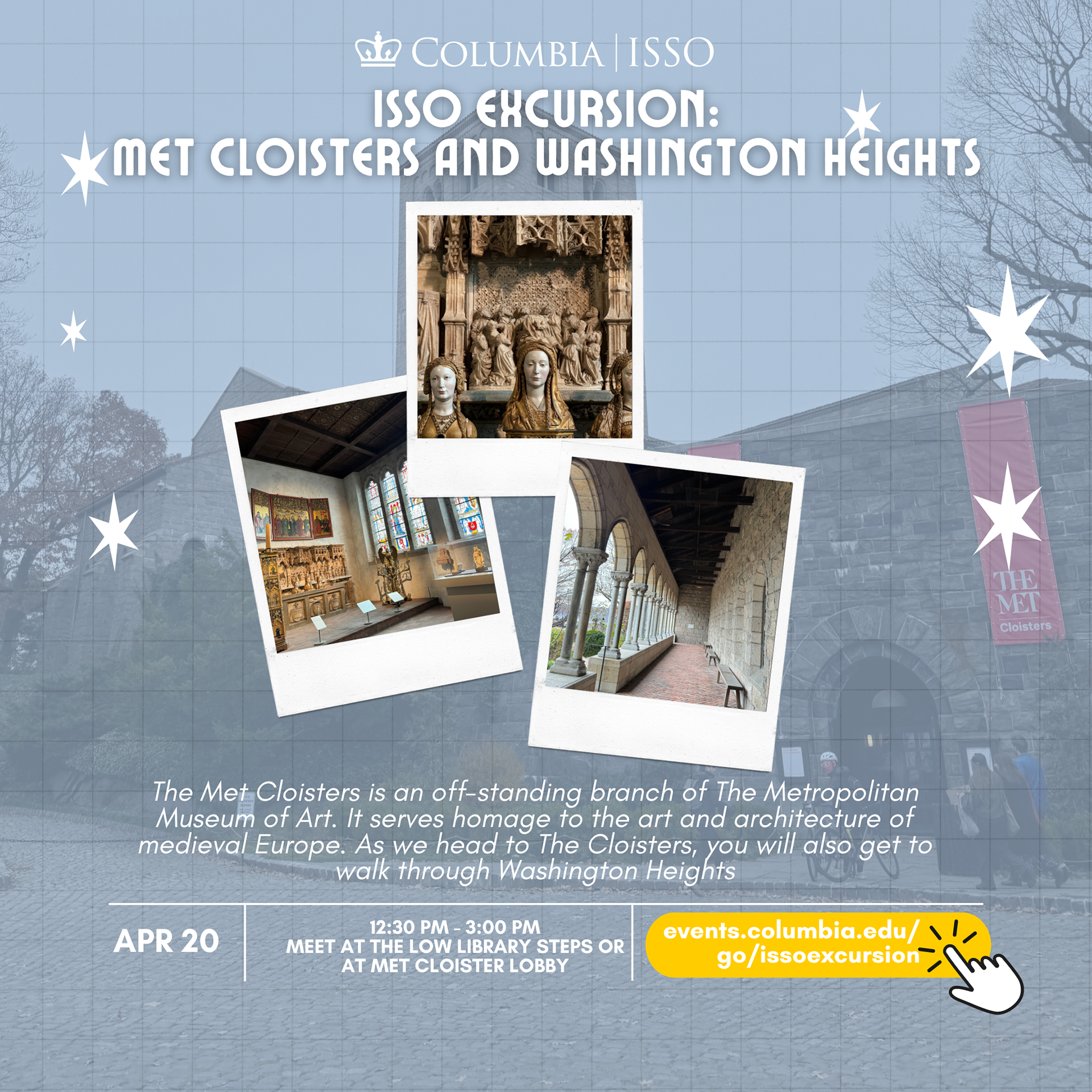
Rather than completely abandoning traditional static graphics (which would be operationally inefficient), I built a hybrid content framework. I utilized face-forward photo and video elements as high-impact supplements to a highly standardized, visually cohesive promotional graphic system.
Workflow Optimization & Mentorship: To scale our graphic production without bottlenecking my strategic tasks, I mentored our content assistant, who was a graphic designer. I coached him on building a systematic template workflow to pump out eye-pleasing, consistent event promo graphics quickly. While I defined the structural efficiency and workflow parameters, I granted him complete creative freedom over the styling and visual execution, ensuring our feed maintained a modern, uniform aesthetic.
Cross-Channel Repurposing of Graphics: A major operational benefit of static graphics was their extreme versatility and repurposability. Instead of creating isolated assets, we engineered these high-quality graphics to serve multiple touchpoints across our multi-channel ecosystem: distributing them on our social feeds, embedding them into our targeted email newsletters, and deploying them as the official cover images for event listings on Columbia's central event management software.
Leveraging Staff Talent: Recognizing that our Programming & Events team was highly comfortable and eager to be on camera, I capitalized on this internal talent to scale our short-form video operations, deploying the staff across three primary video campaigns, aligned with specific programming they wanted to give an extra boost.
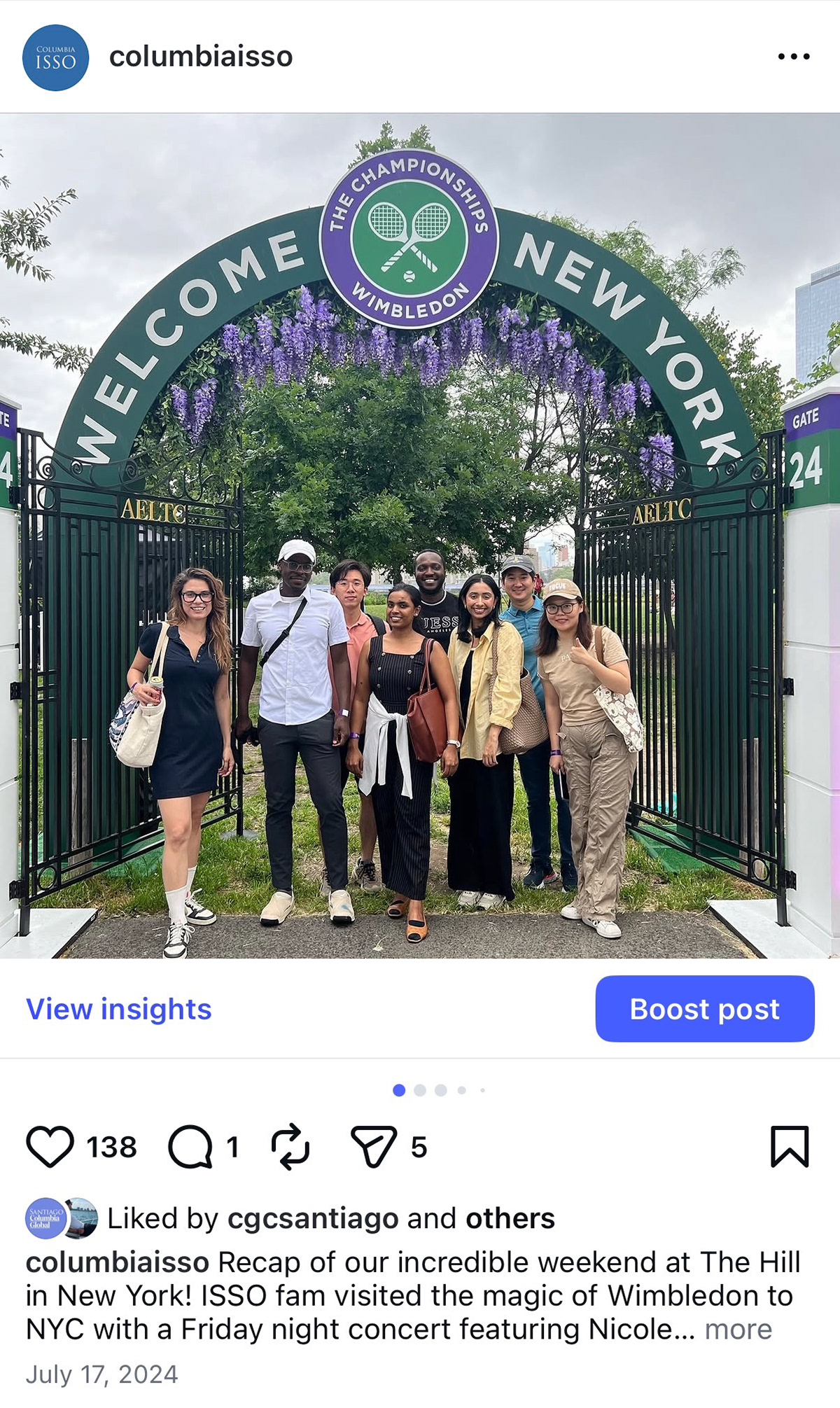
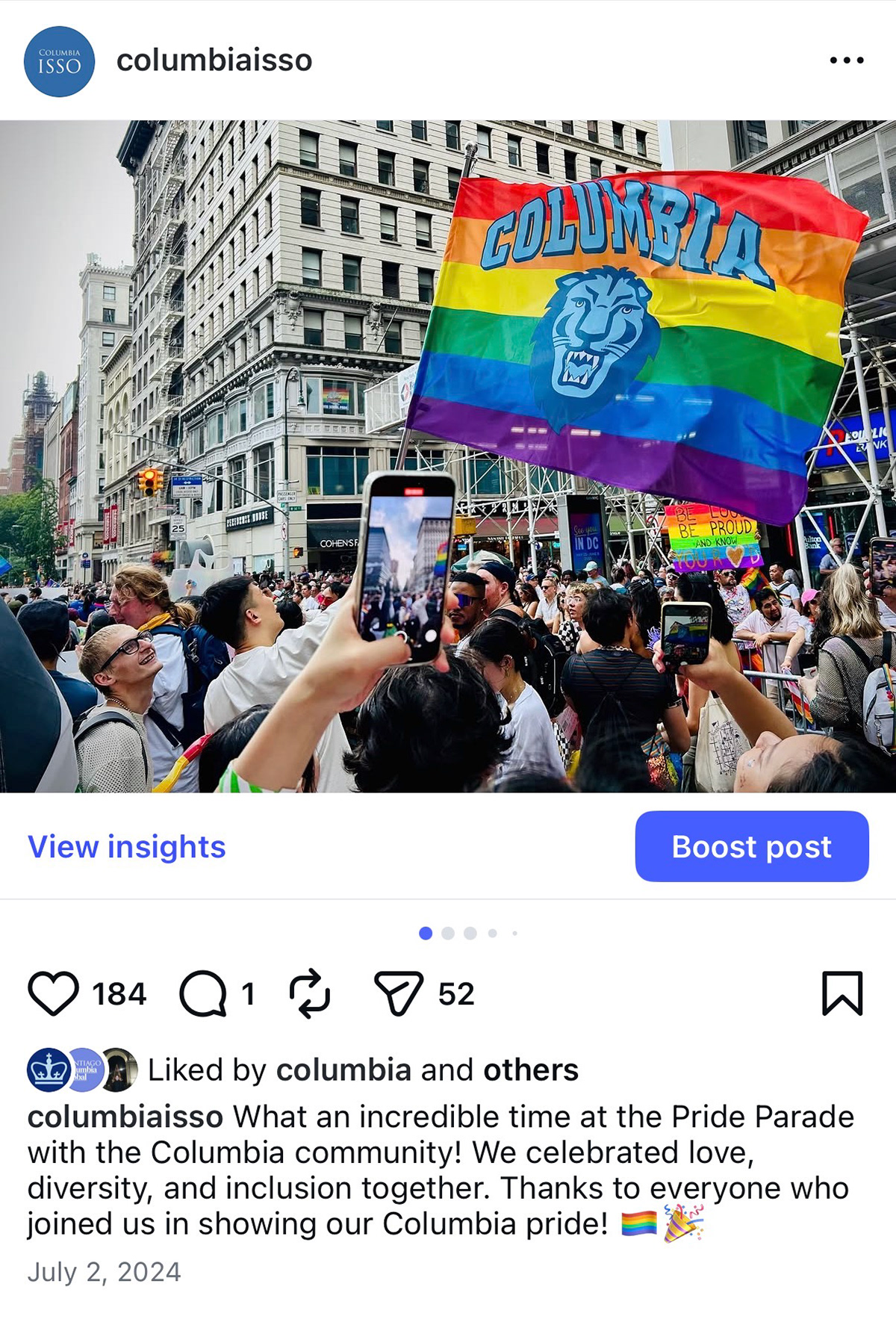
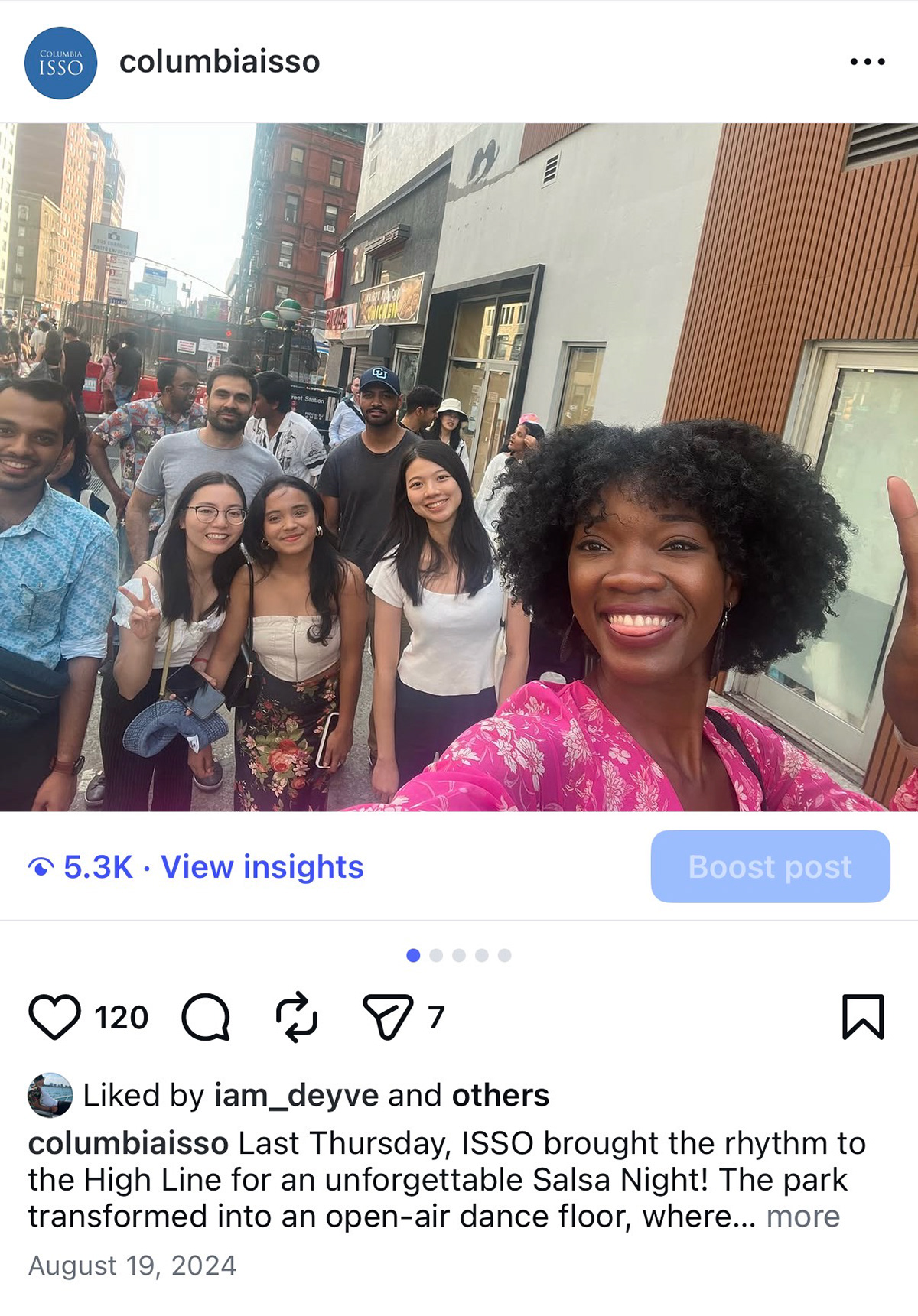
Internal Asset Capture: Beyond structured on-camera video, I standardized an internal process where our P&E staff captured raw photo and video assets during excursion-type events. This gave our community an authentic, back-stage look at event participation and visual proof of the "good vibes" (thus enticing them to join the next one), and simultaneously established an internal content pipeline where the team functioned as the primary authors to fuel our ongoing face-forward social strategy.
By translating the UGC model to the Programming Team, we drastically reduced our own team's production turnaround times, directly optimizing workflows for both our social media and newsletter publishing schedules.
Rather than completely abandoning traditional static graphics (which would be operationally inefficient), I built a hybrid content framework. I utilized face-forward photo and video elements as high-impact supplements to a highly standardized, visually cohesive promotional graphic system.
Workflow Optimization & Mentorship: To scale our graphic production without bottlenecking my strategic tasks, I mentored our content assistant, who was a graphic designer. I coached him on building a systematic template workflow to pump out eye-pleasing, consistent event promo graphics quickly. While I defined the structural efficiency and workflow parameters, I granted him complete creative freedom over the styling and visual execution, ensuring our feed maintained a modern, uniform aesthetic.
Cross-Channel Repurposing of Graphics: A major operational benefit of static graphics was their extreme versatility and repurposability. Instead of creating isolated assets, we engineered these high-quality graphics to serve multiple touchpoints across our multi-channel ecosystem: distributing them on our social feeds, embedding them into our targeted email newsletters, and deploying them as the official cover images for event listings on Columbia's central event management software.
Leveraging Staff Talent: Recognizing that our Programming & Events team was highly comfortable and eager to be on camera, I capitalized on this internal talent to scale our short-form video operations, deploying the staff across three primary video campaigns, aligned with specific programming they wanted to give an extra boost.
Internal Asset Capture: Beyond structured on-camera video, I standardized an internal process where our P&E staff captured raw photo and video assets during excursion-type events. This gave our community an authentic, back-stage look at event participation and visual proof of the "good vibes" (thus enticing them to join the next one), and simultaneously established an internal content pipeline where the team functioned as the primary authors to fuel our ongoing face-forward social strategy.
By translating the UGC model to the Programming Team, we drastically reduced our own team's production turnaround times, directly optimizing workflows for both our social media and newsletter publishing schedules.
Promotional Graphics
Internal Asset Capture
3. "ISSO Ambassadors": Leveraging Peer Influencers for Organic Growth
To drive event attendance via Instagram, strengthen department-community relations, and optimize our content production workflows, I applied influencer marketing mechanics to launch the ISSO Ambassador Volunteer Initiative: a semester-long, strategic partnership program leveraging high-affinity student creators.
The Vetting & Acquisition Pipeline: I designed and deployed a targeted social campaign to promote the opportunity, routing prospective creators through a centralized digital application form to capture their Instagram handles and semester availability. To maximize our programmatic footprint, we prioritized high-reach applicants with active, public profiles.
Strategic Selection & Alignment: To narrow down the applicant pool, Communications and Programming conducted joint structured interviews focused on auditing content creation experience, verifying scheduling availability, and assessing mutual alignment with our brand safety and community values.
Creator Playbook & Operational Logic
While interviews were being held, I compiled a structured operational playbook to govern, train, and manage the international student creators we selected based on their high community presence and active social footprints.
Structured Content Commitments: Our team handled the end-to-end content management of our seasonal volunteer cohort, assigning each creator a mandatory 5-video deliverable matrix throughout the semester (2 event teaser promos, 2 post-event recaps). For streamlined communications, we created Ambassador-specific Google Group workflow chats and intake forms.
Technical Distribution Guardrails: I provided them with a clean recording guide that included vertical layout optimization, stabilized capture tips, uniform naming conventions, and caption-writing frameworks.
Algorithmic Network Hijacking: I required our ambassadors to leverage platform Co-Author and Collaborator tools. When an ambassador published an assigned video, the asset simultaneously distributed directly to their high-affinity peer networks, converting word-of-mouth campus connections into rapid, automated brand awareness for our Programming.
The Vetting & Acquisition Pipeline: I designed and deployed a targeted social campaign to promote the opportunity, routing prospective creators through a centralized digital application form to capture their Instagram handles and semester availability. To maximize our programmatic footprint, we prioritized high-reach applicants with active, public profiles.
Strategic Selection & Alignment: To narrow down the applicant pool, Communications and Programming conducted joint structured interviews focused on auditing content creation experience, verifying scheduling availability, and assessing mutual alignment with our brand safety and community values.
Creator Playbook & Operational Logic
While interviews were being held, I compiled a structured operational playbook to govern, train, and manage the international student creators we selected based on their high community presence and active social footprints.
Structured Content Commitments: Our team handled the end-to-end content management of our seasonal volunteer cohort, assigning each creator a mandatory 5-video deliverable matrix throughout the semester (2 event teaser promos, 2 post-event recaps). For streamlined communications, we created Ambassador-specific Google Group workflow chats and intake forms.
Technical Distribution Guardrails: I provided them with a clean recording guide that included vertical layout optimization, stabilized capture tips, uniform naming conventions, and caption-writing frameworks.
Algorithmic Network Hijacking: I required our ambassadors to leverage platform Co-Author and Collaborator tools. When an ambassador published an assigned video, the asset simultaneously distributed directly to their high-affinity peer networks, converting word-of-mouth campus connections into rapid, automated brand awareness for our Programming.
4. User Engagement & Retention: The "ISSO Engage" Framework
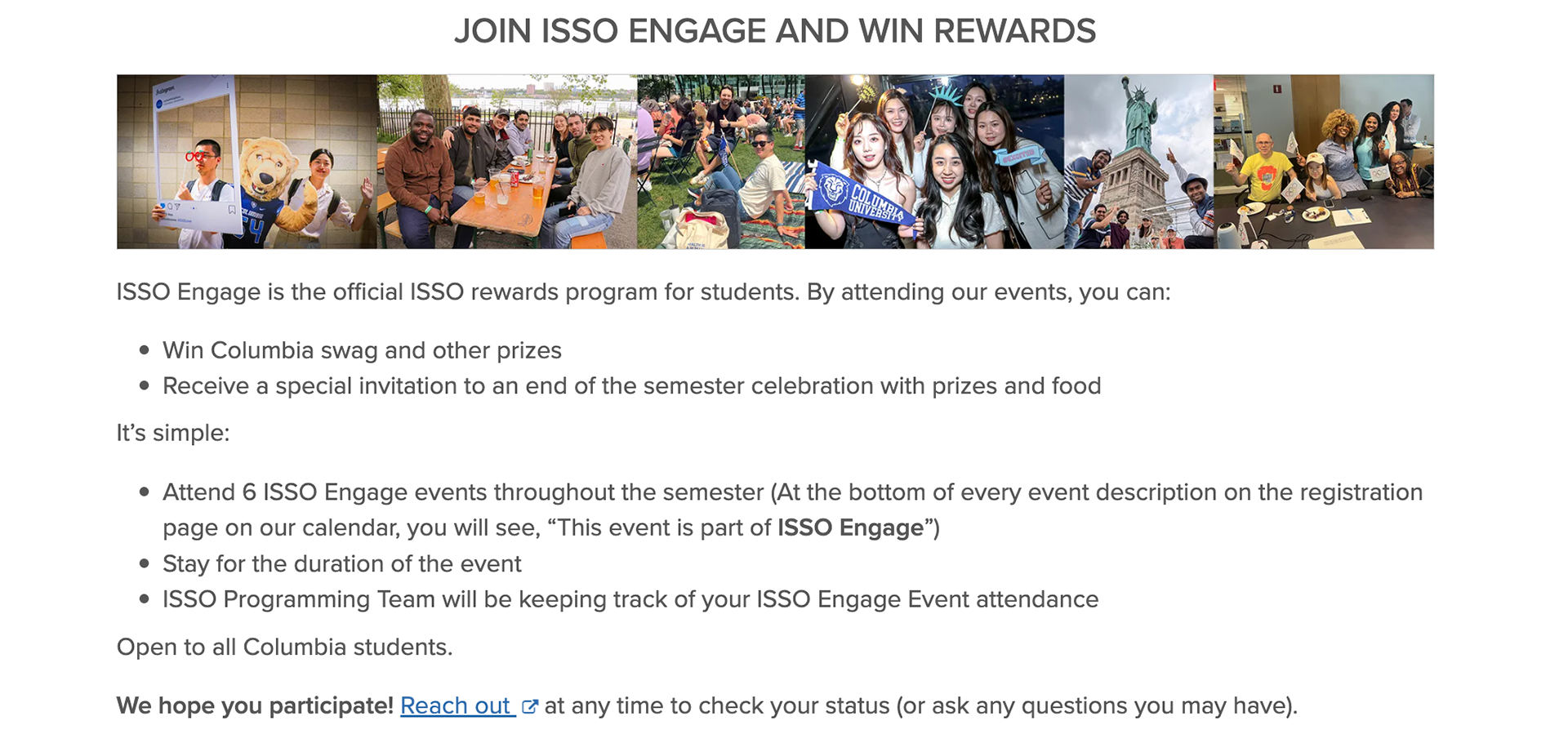
Rather than relying on traditional paid ads, I proposed an organic incentive framework to maximize event participation and long-term attendee retention across the Programming Team's calendar.
I co-developed ISSO Engage, our official in-house user rewards program, helping the team take this initiative from idea to execution during our weekly brainstorming sessions.
The Content System Architecture: I updated the Program & Events hub with information on this initiative, adding a tab to the hub's event calendar integration to explicitly flag qualified events. I then helped the Programming team develop an online tracking system where they could record attendance for users who stayed for the full event duration of 6+ required sessions. I also helped them develop an FAQ document to share with attendees.
The Retention Reward: Upon completion, participants unlocked exclusive institutional swag rewards and a specialized invitation to a premium, end-of-semester milestone celebration to successfully gamify the user journey.
I co-developed ISSO Engage, our official in-house user rewards program, helping the team take this initiative from idea to execution during our weekly brainstorming sessions.
The Content System Architecture: I updated the Program & Events hub with information on this initiative, adding a tab to the hub's event calendar integration to explicitly flag qualified events. I then helped the Programming team develop an online tracking system where they could record attendance for users who stayed for the full event duration of 6+ required sessions. I also helped them develop an FAQ document to share with attendees.
The Retention Reward: Upon completion, participants unlocked exclusive institutional swag rewards and a specialized invitation to a premium, end-of-semester milestone celebration to successfully gamify the user journey.
5. Long-Term Scaled Outcomes
By providing the department with reusable, repeatable marketing infrastructure (assets, event marketing playbook, promotion + retention strategies), I played a significant role in exponentially expanding the Programming Team's operational reach. Due to the material results of my Program Growth Strategy –– increased awareness, which converted into increased attendance –– the department was able to expand its event offerings by 158%, from 67 events in 2023 to 173 events in 2024.